.webp "166 Xalcayuma Logo")



What household problems can a mattress cleaning service address?
A mattress is used for hours every day, yet it cannot be placed in a washing machine like ordinary bedding. Dust, perspiration marks, drink spills and odors may gradually collect on its surface. A damp cloth only reaches the visible layer, while excess water or an unsuitable product can leave moisture below the fabric. A professional mattress cleaning service should therefore consider the material, stain source and drying conditions. The aim is to work on the contamination in a controlled way without oversaturating the mattress and to prepare it for safe, comfortable use after complete drying.
Visible stains and recurring odors are practical warning signs
Coffee, tea, cosmetics, food and perspiration marks can bind more firmly to fabric over time. Applying several household chemicals one after another may create colour differences, stiff marks or detergent residue. If an odor returns after the room has been aired, the issue may extend beyond the top surface. Tell the technician how the stain occurred and which products were previously used. This information helps the team choose a suitable process and set realistic expectations before work begins.
A professional inspection guides the cleaning method
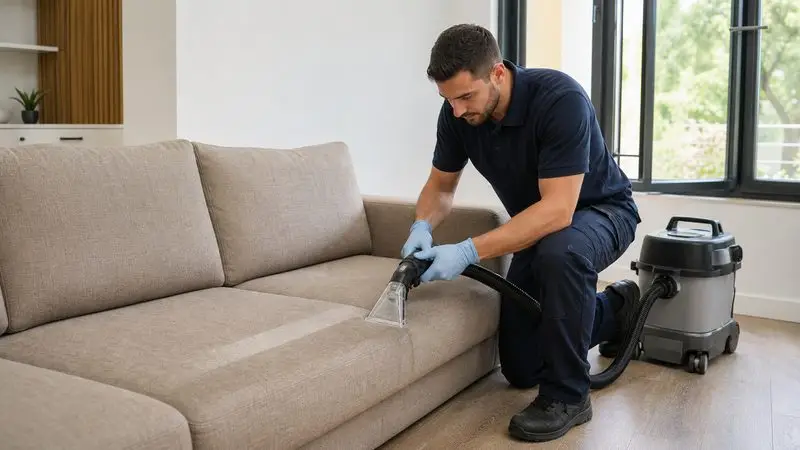
The cover fabric, filling, seams and manufacturer care information all influence the cleaning decision. One temperature, pressure or solution does not suit every mattress. The upholstered furniture cleaning service from 166 covers sofas, armchairs and mattresses with a material-aware approach. During inspection, the team can review colour stability, older marks and sensitive sections before planning the treatment.
Extractor cleaning depends on controlled moisture
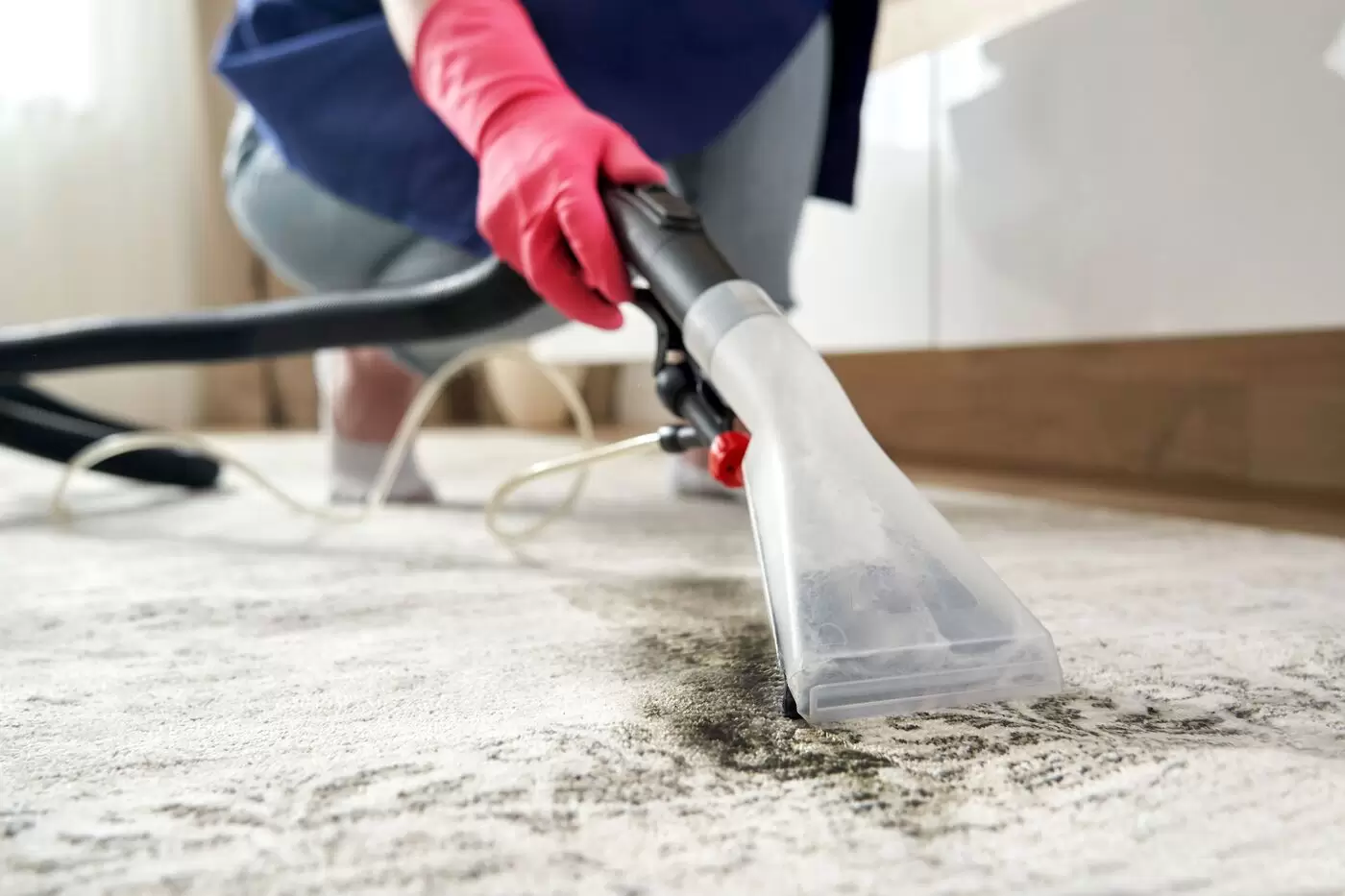
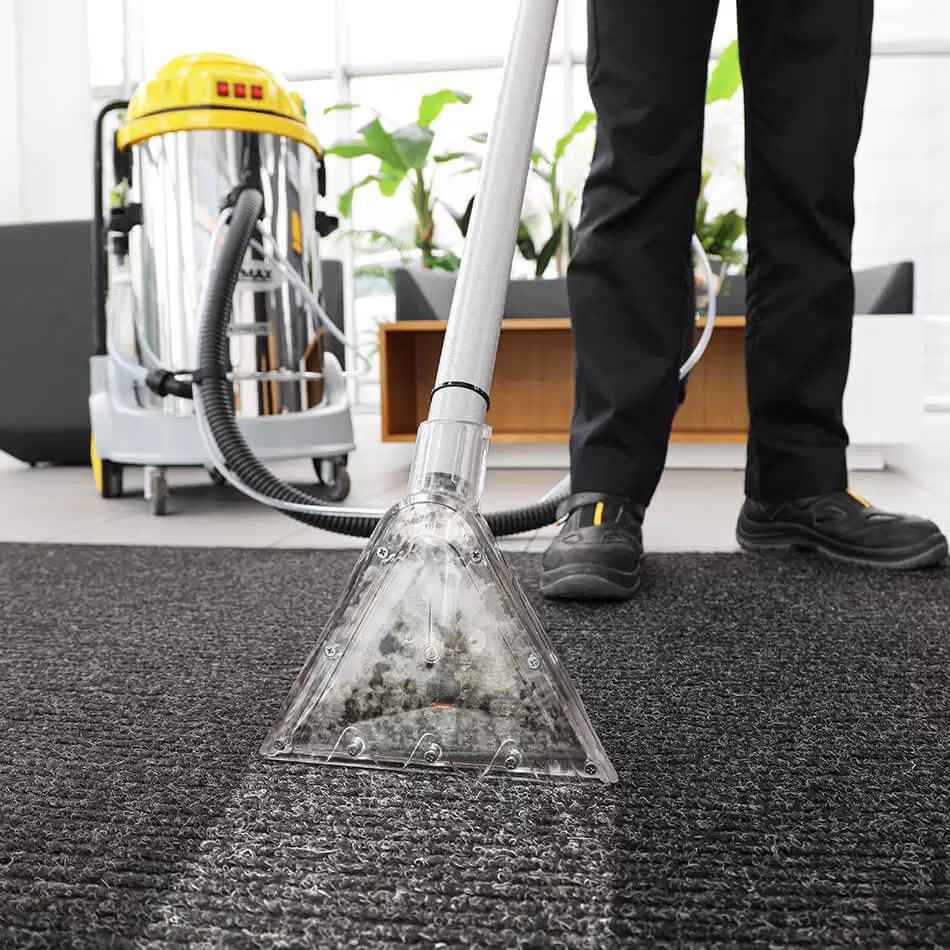
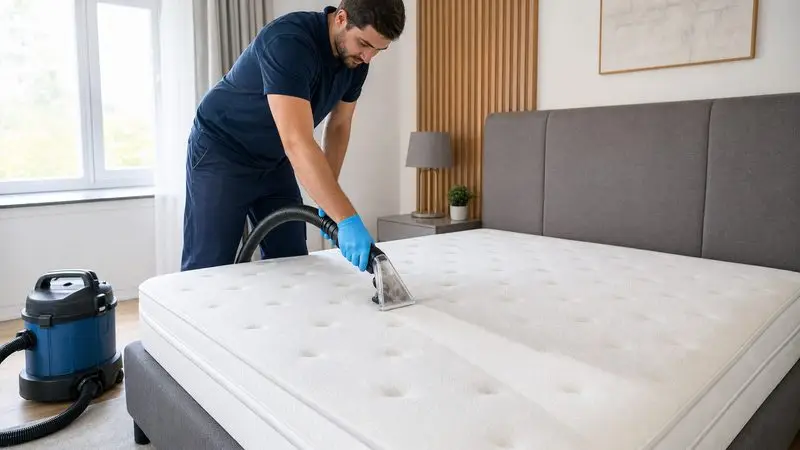
Suitable equipment applies cleaning solution in a measured way and extracts the soiled liquid again. Using more water does not automatically produce a better result. Saturating the inner layers can instead extend the drying time. A professional adjusts the number of passes, the amount of solution and suction power to the mattress construction. Treating an individual stain separately can also reduce the need to repeatedly work the entire surface with an aggressive method.
Old stains require an honest assessment
The age and composition of a stain, together with any products already applied, directly influence the likely outcome. Some marks are actually permanent colour change or fibre damage rather than removable soil. For this reason, no responsible service should promise that every old stain will disappear completely. Areas that need targeted work can be reviewed through a professional stain removal approach, with the expected result discussed before treatment.
Bedding should wait until drying is complete
Room ventilation, temperature, mattress thickness and the amount of moisture used all affect drying time. Placing a protector and sheets on a damp mattress can restrict airflow. Keep the surface and edges uncovered until they are fully dry, create air circulation in the room and follow the service team's instructions. It is practical to book the appointment around the time you expect to use the bed later that day.
What information should you provide before booking?
Sharing the mattress size, quantity, stain type, approximate age and address helps the team assess the work more efficiently. Mention in advance if you want both sides cleaned. Removing bedding and leaving clear access for the equipment also makes the visit easier. To request a suitable time, scope and assessment for your home, contact 166 Carpet Cleaning. The team can explain an appropriate cleaning plan after reviewing the condition of the mattress.


























.webp "Carpet Cleaning Service – Cleanliness and Health Everywhere")