.webp "166 Xalcayuma Logo")



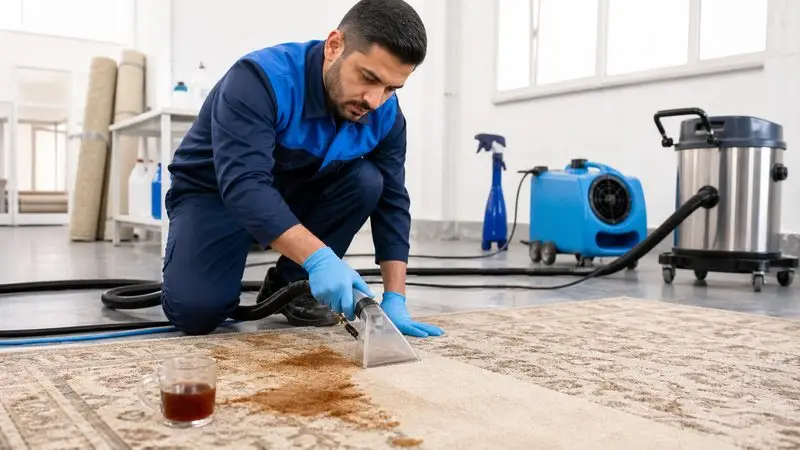
Professional carpet cleaning service for tea stains
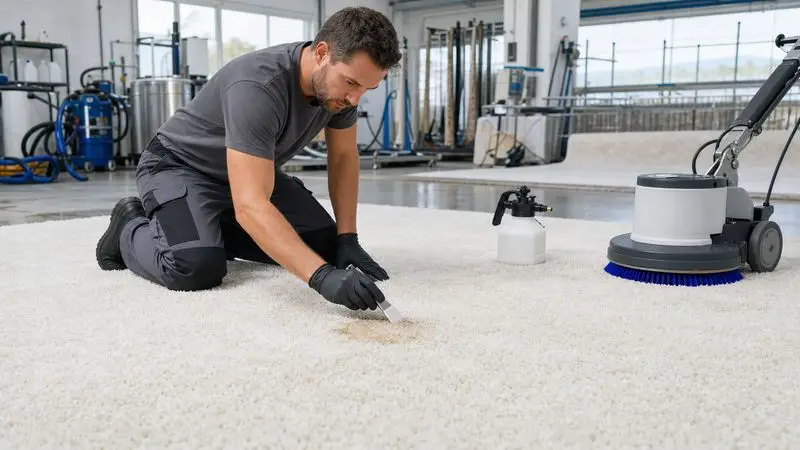
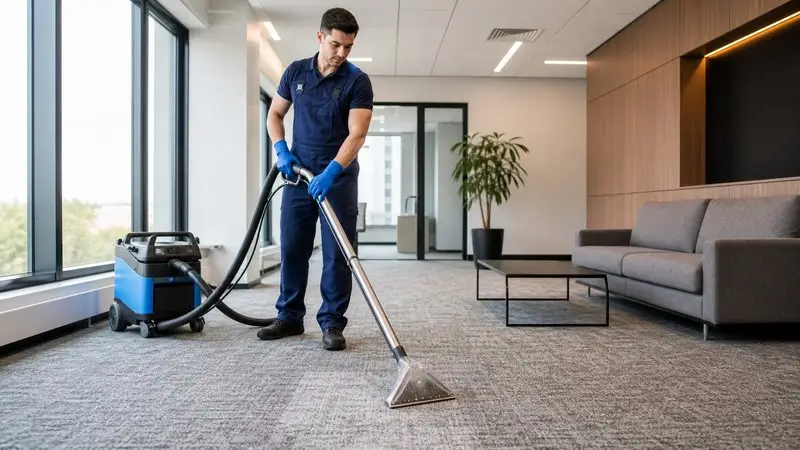
Tea is part of everyday hospitality, and one overturned cup can leave a dark mark that quickly moves through rug fibers. The spot may look small at first, but rubbing or using an unsuitable household product can spread it and leave a visible ring. A professional carpet cleaning service evaluates the rug material, color stability and condition of the stain before choosing the right sequence of treatment, washing, rinsing and drying.
What should you do immediately after a spill?
Use a clean white absorbent cloth to lift as much liquid as possible with gentle blotting movements. Do not scrub the area, because friction can push the drink deeper and enlarge the stain. Avoid pouring random cleaners, bleach or large amounts of water onto the rug. Remember the exact affected area and show it to the collection team when the rug is picked up.
Why can a tea stain remain visible?
Tea pigments behave differently on wool, cotton, synthetic and blended fibers. A hot drink may penetrate quickly, while tea with sugar or milk can leave an additional sticky residue. The age of the stain, any product previously used and the original rug color are all important. This is why one universal method is not suitable for every rug.
What information helps when booking?
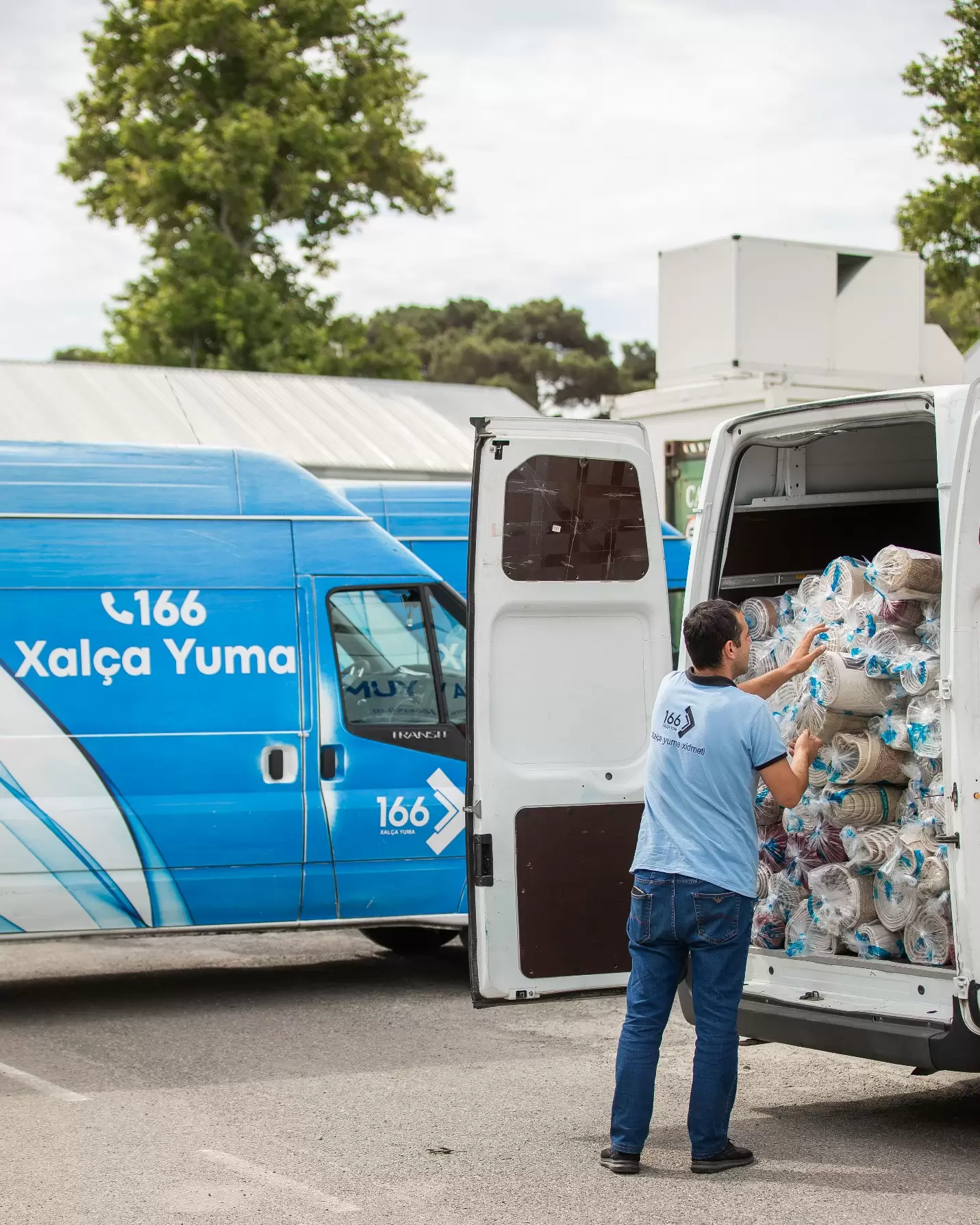
Tell the 166 team the approximate rug size, its material if known, when the tea was spilled and whether the drink contained milk or sugar. Mention any home treatment already applied. Once the address, contact details and collection time are confirmed, transportation to the professional cleaning facility can be arranged.
How is the rug inspected?
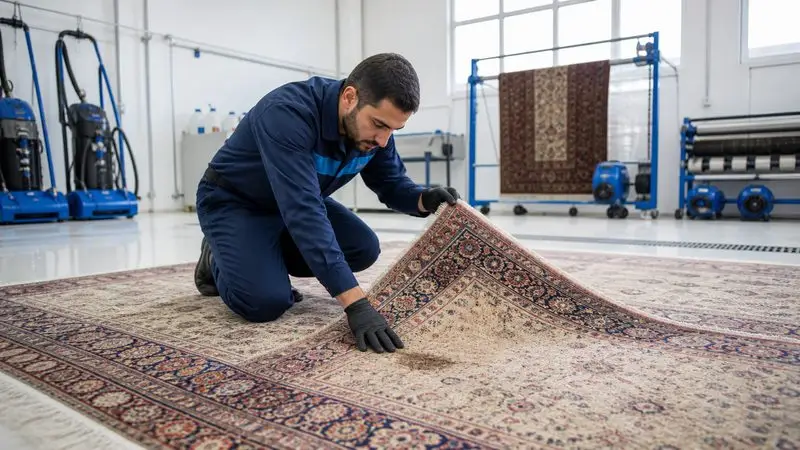
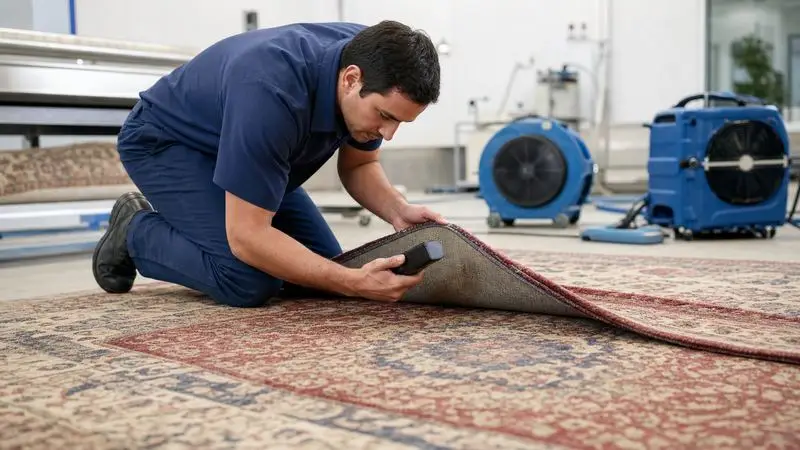
Before washing, the surface, edges, backing and stained area are checked. The team considers how the dyes may react to moisture and the selected treatment. A fresh stain and an old stain may require different preparation. The inspection allows the process to address the entire rug rather than focusing only on one visible spot.
How is the stained area prepared?
A fiber-appropriate treatment is applied carefully to soften the tea residue without spreading it. The amount of solution, contact time and level of mechanical action are selected according to the rug construction. Controlled preparation reduces unnecessary stress on the fibers and makes the main washing stage more effective.
Why are washing and rinsing both important?
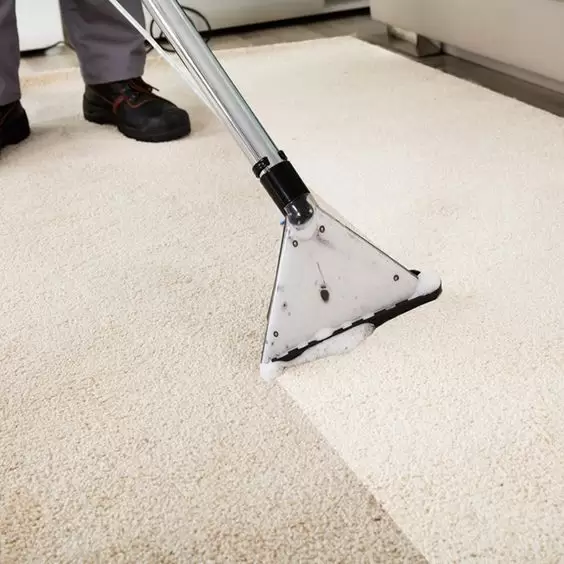
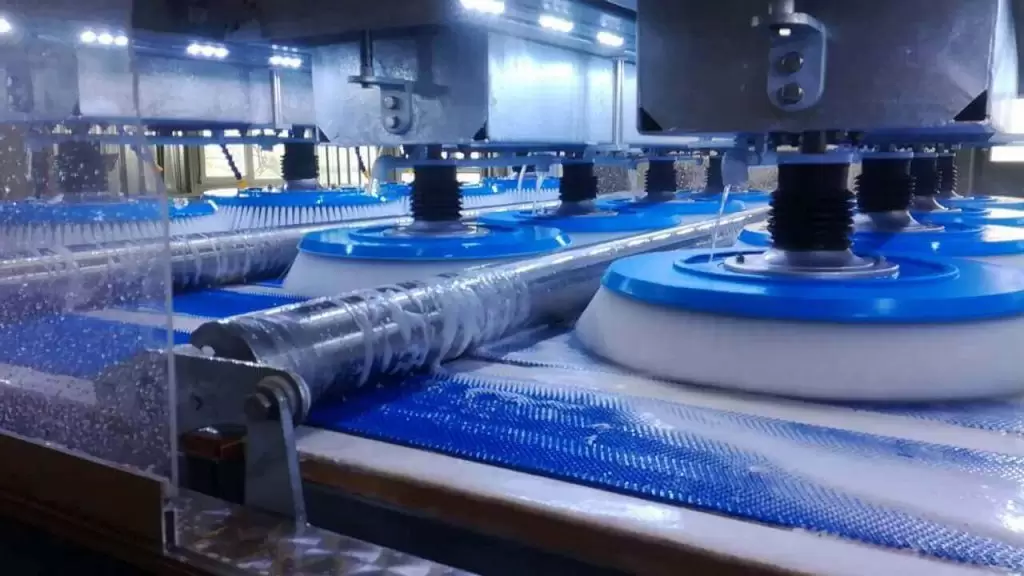
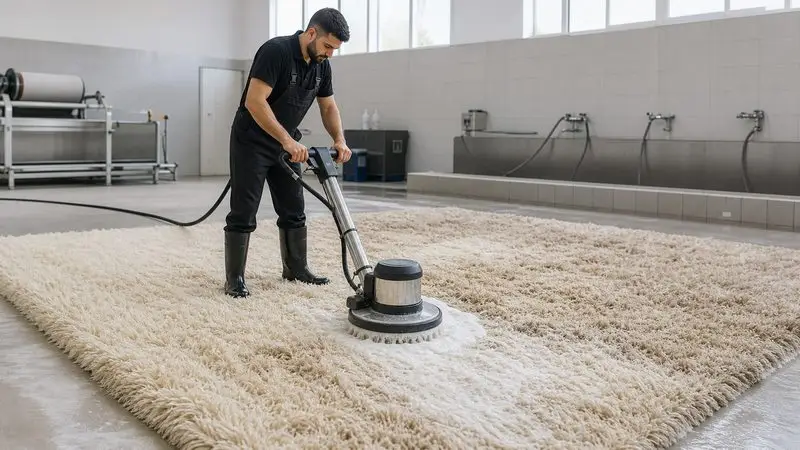
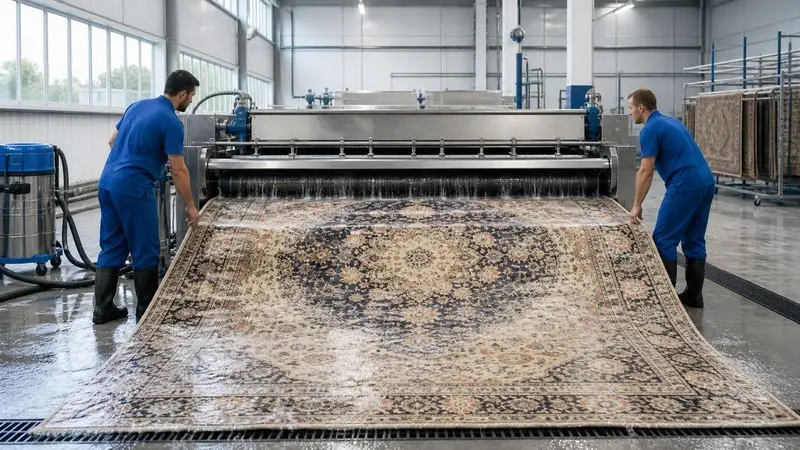
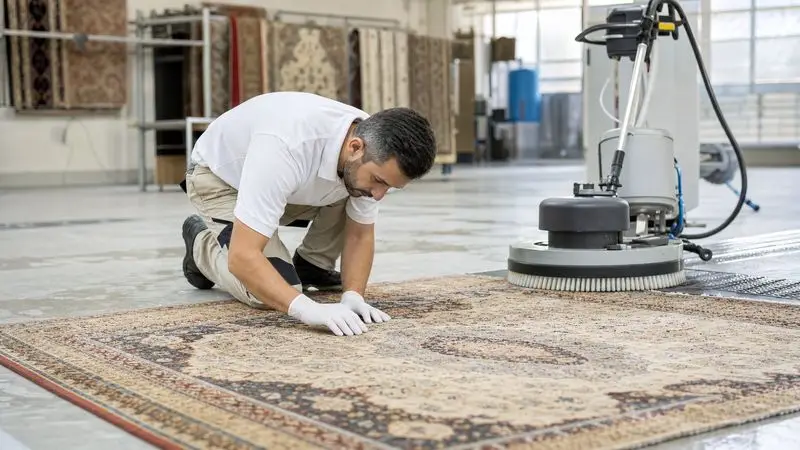
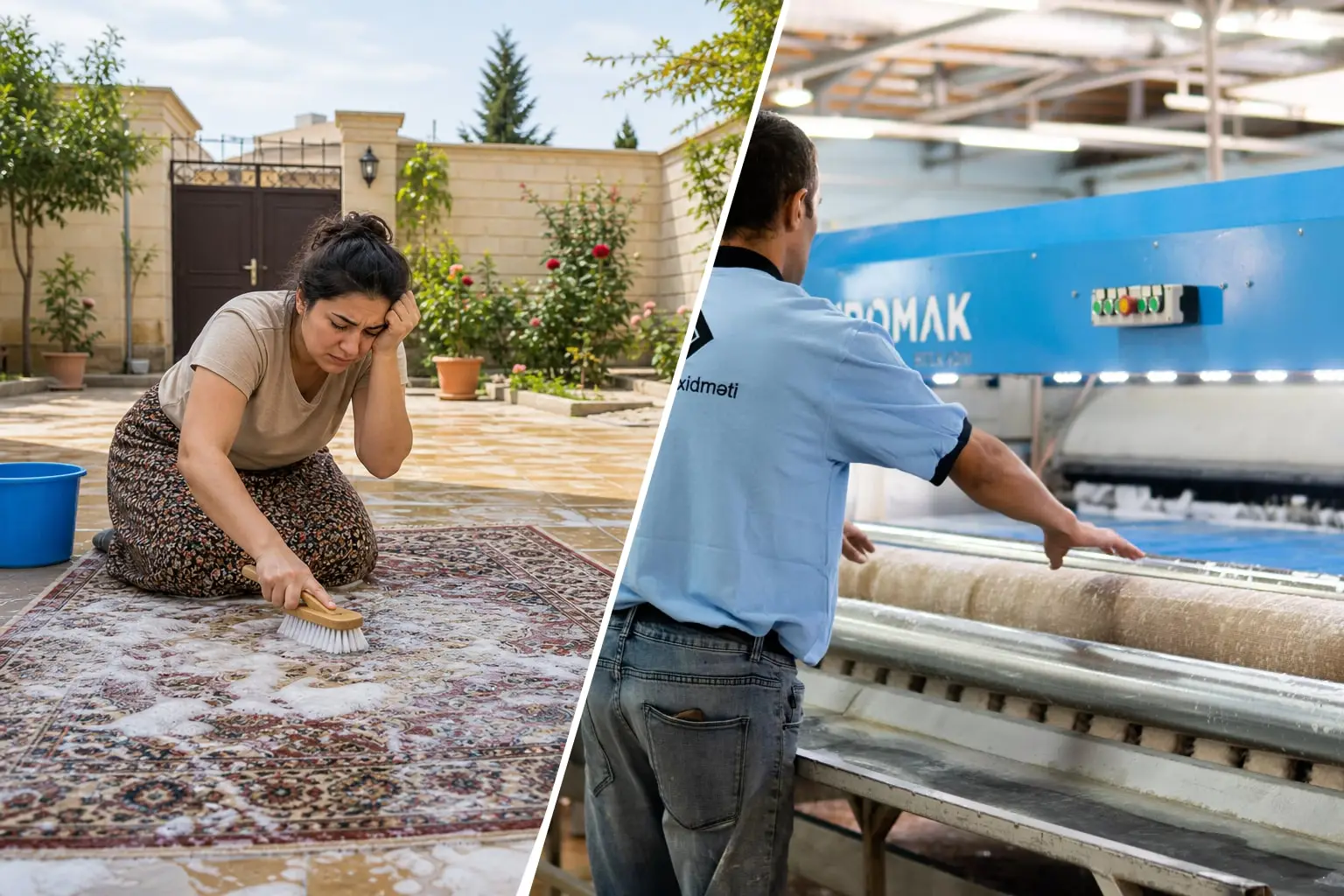
After preparation, loose dust is removed and the rug is washed with suitable equipment. Treating only a small spot can sometimes create a contrast with the rest of the surface. Thorough rinsing helps remove loosened tea residue as well as cleaning-product residue from the fibers. This is a core part of the professional carpet cleaning service process.
Why must the rug dry completely?
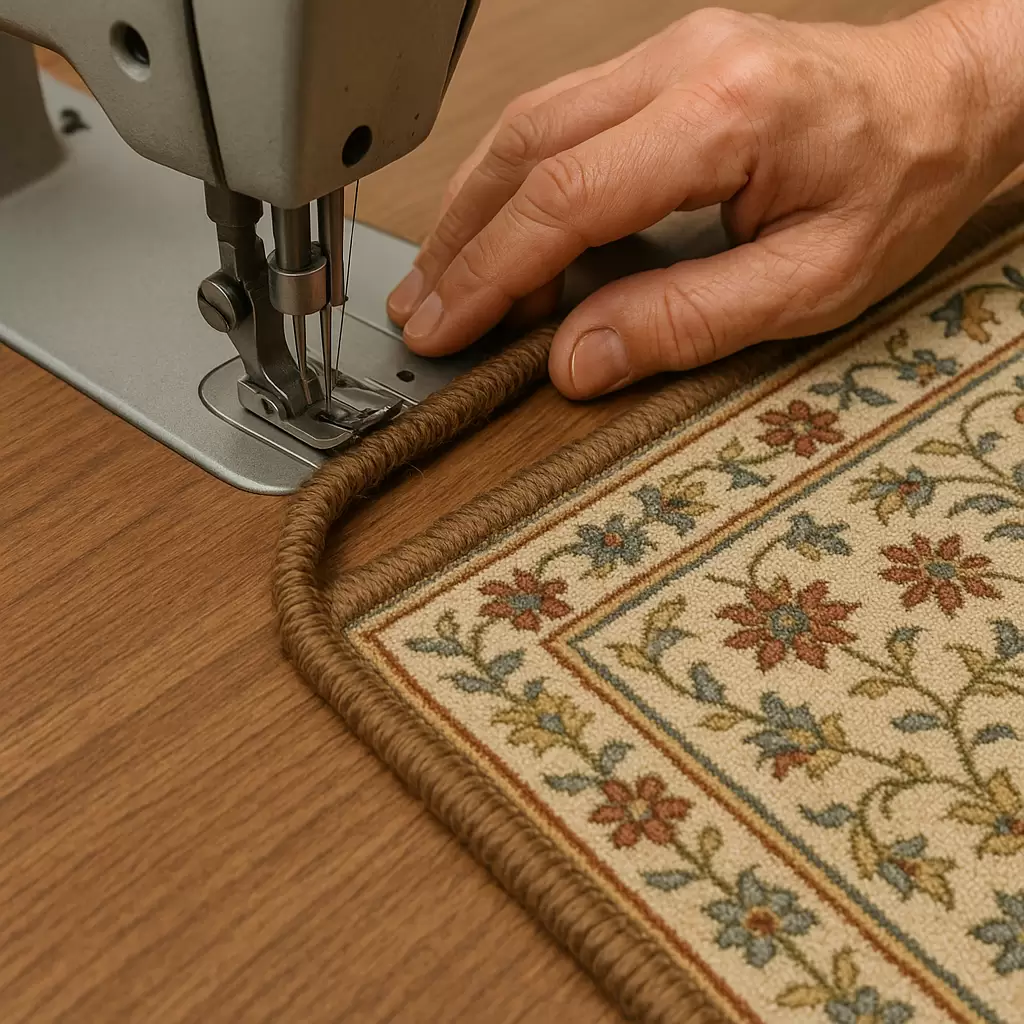
A washed rug should not be rolled or returned while damp. Controlled drying supports even moisture removal, helps the rug keep its shape and reduces the chance of a closed, damp smell. After drying, the surface, edges and former stain area are reviewed again. Only a fully dry rug is prepared for neat packaging and return.
How should the rug be placed after delivery?
Make sure the floor is clean and dry before laying the rug down. Position tables and chairs without dragging their legs across the fibers, and do not leave the edges folded. If tea is often served over the rug, stable cup trays and a firm table surface can reduce the risk of another spill.
How can you arrange service with 166?
Instead of repeatedly applying different products to a tea stain, contact 166 and explain what happened. The team coordinates collection, takes the rug to the cleaning facility and completes material-appropriate washing, rinsing and drying. You can begin the order by sharing your address, contact information and convenient collection time.
























.webp "Carpet Cleaning Service – Cleanliness and Health Everywhere")