.webp "166 Xalcayuma Logo")



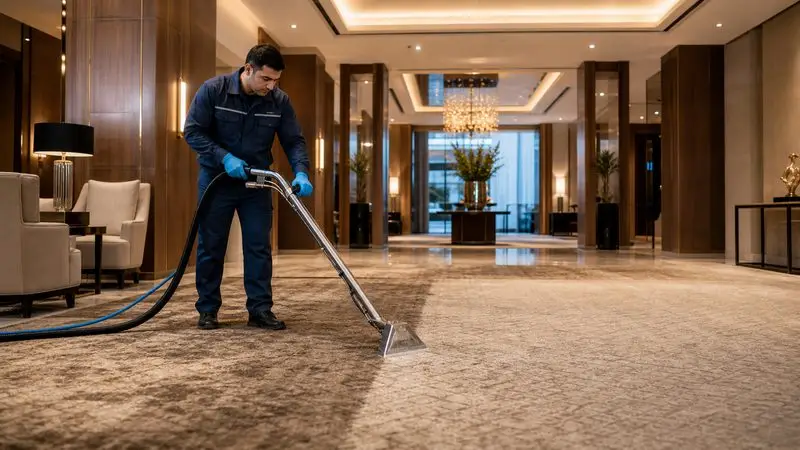
Why does hotel carpet cleaning need a dedicated plan?
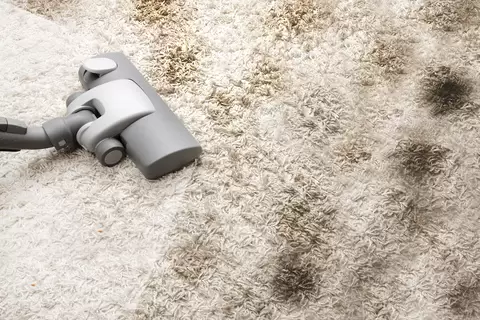
Carpets and fitted flooring in hotels, restaurants and event venues handle constant foot traffic. Dust carried through entrances, marks in lobbies and corridors, and coffee or food spills can quickly affect the appearance of a space. For that reason, hotel carpet cleaning should not begin only when a stain becomes obvious. It works best as a structured care plan based on occupancy, service hours, traffic patterns and carpet material. A well-timed plan helps maintain a neat guest environment without unnecessarily interrupting operations.
High-traffic zones are identified first
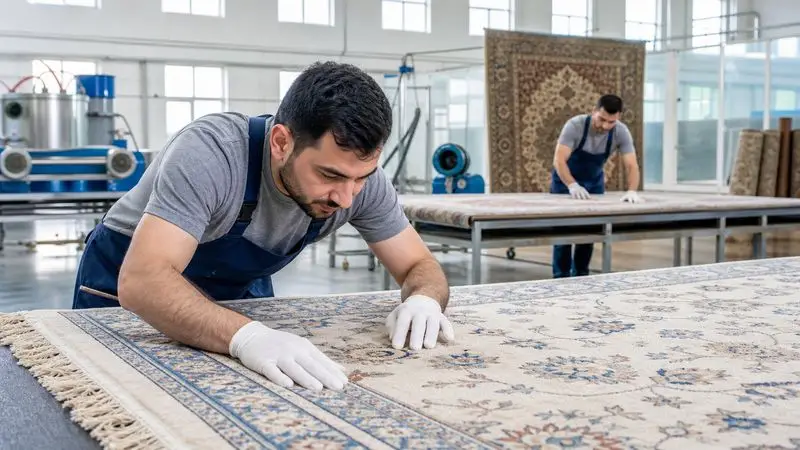
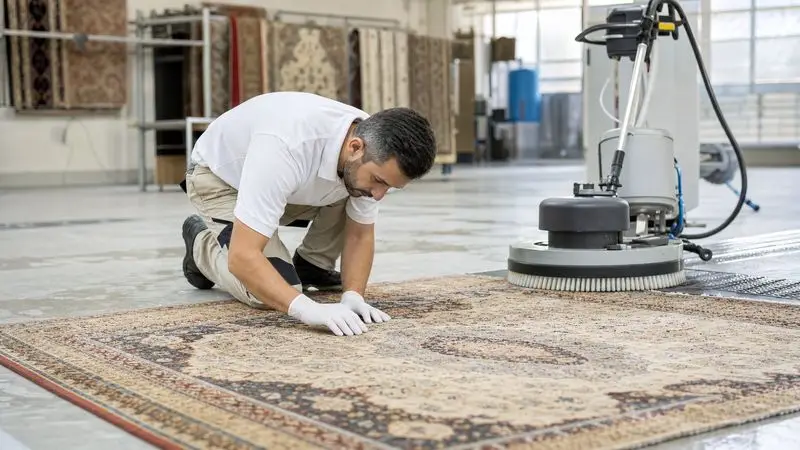
The area in front of reception, entrance paths, lift landings, dining tables and routes through event halls do not soil at the same rate. A professional inspection separates busy zones, local stains and different carpet types before any work begins. Instead of applying one method to the entire property, the team can choose the right level of treatment for each section. This supports a consistent appearance and directs the cleaning budget toward the areas that need attention most.
Cleaning is scheduled around business operations
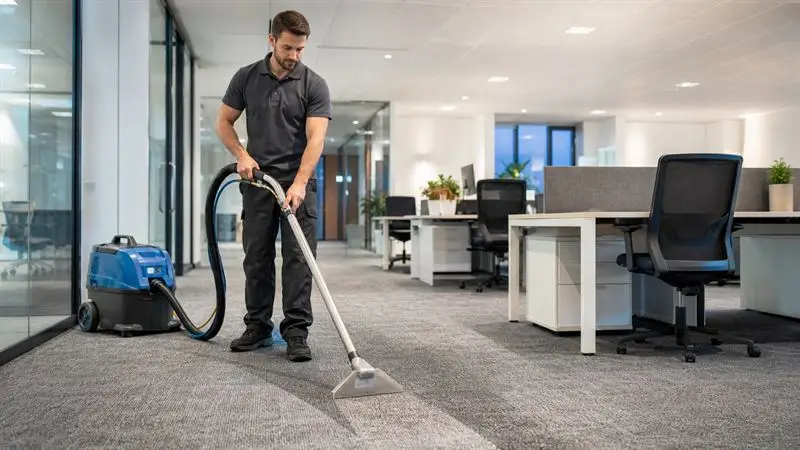
Quiet hours in a restaurant or periods with fewer arrivals and departures in a hotel are usually the most practical time for service. Work may be divided by floor, corridor or zone so reception, catering, event and housekeeping teams can continue operating. The corporate service from 166 Carpet Cleaning can be planned around the size of the property and its working schedule.
On-site cleaning is practical for fitted carpets
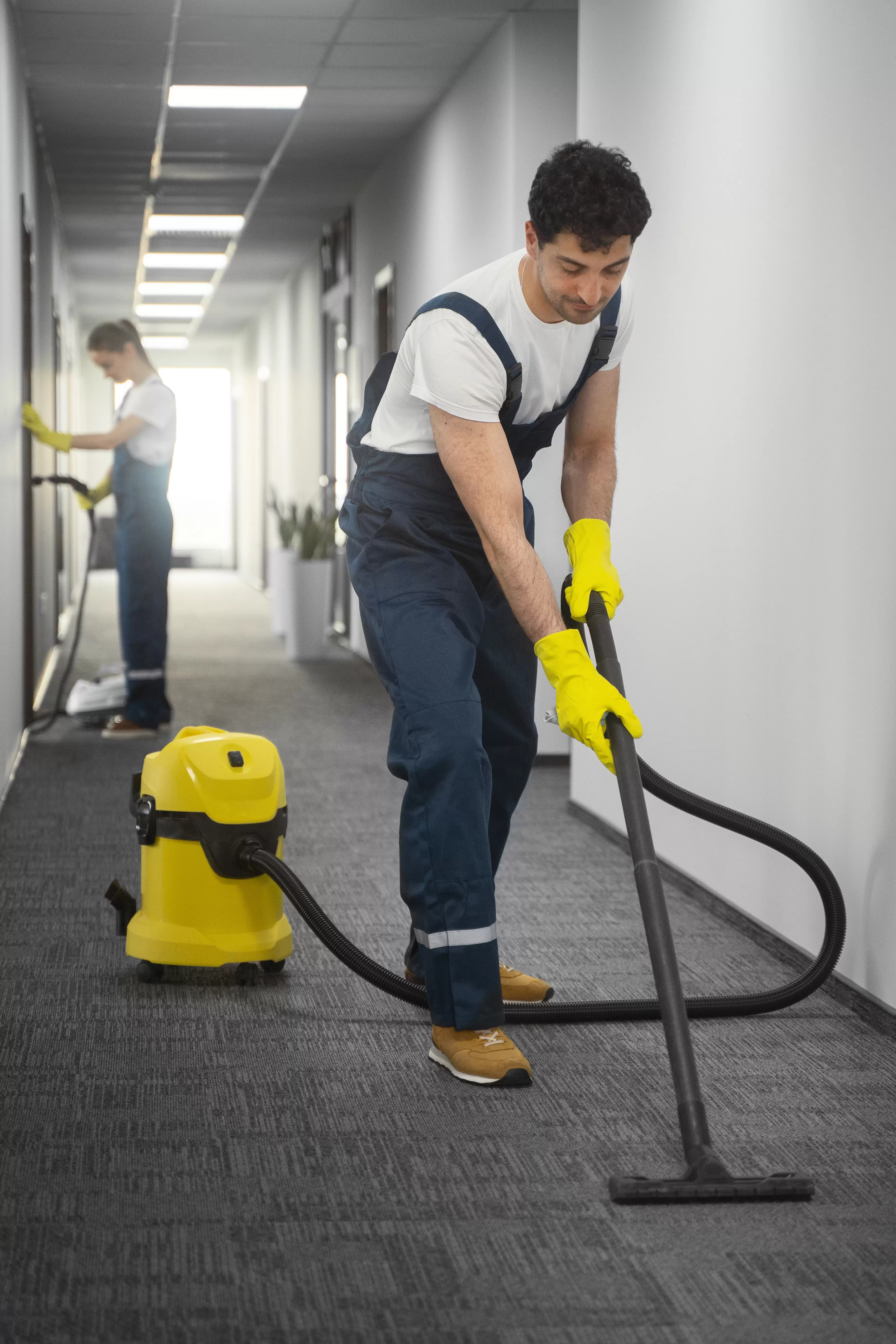
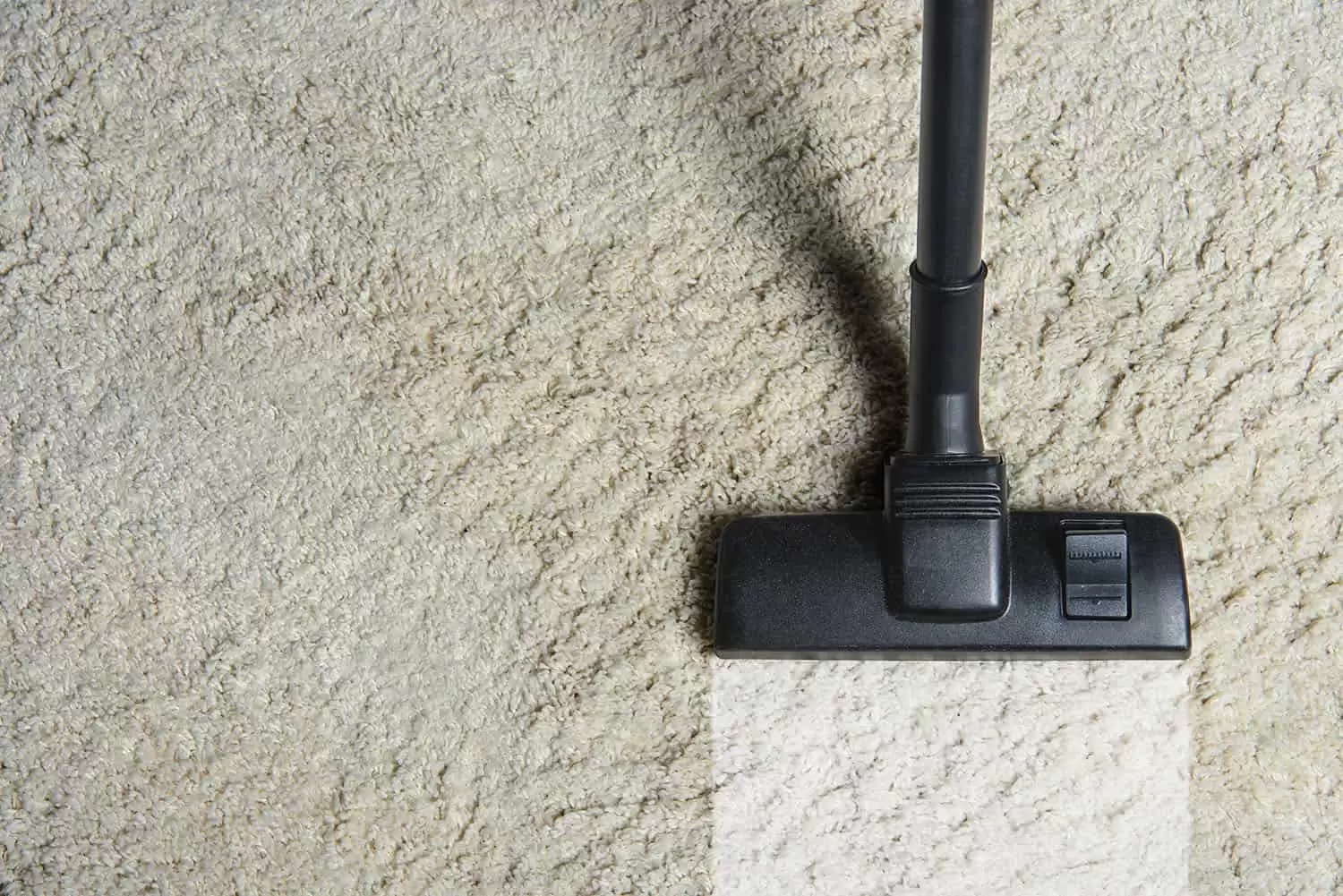
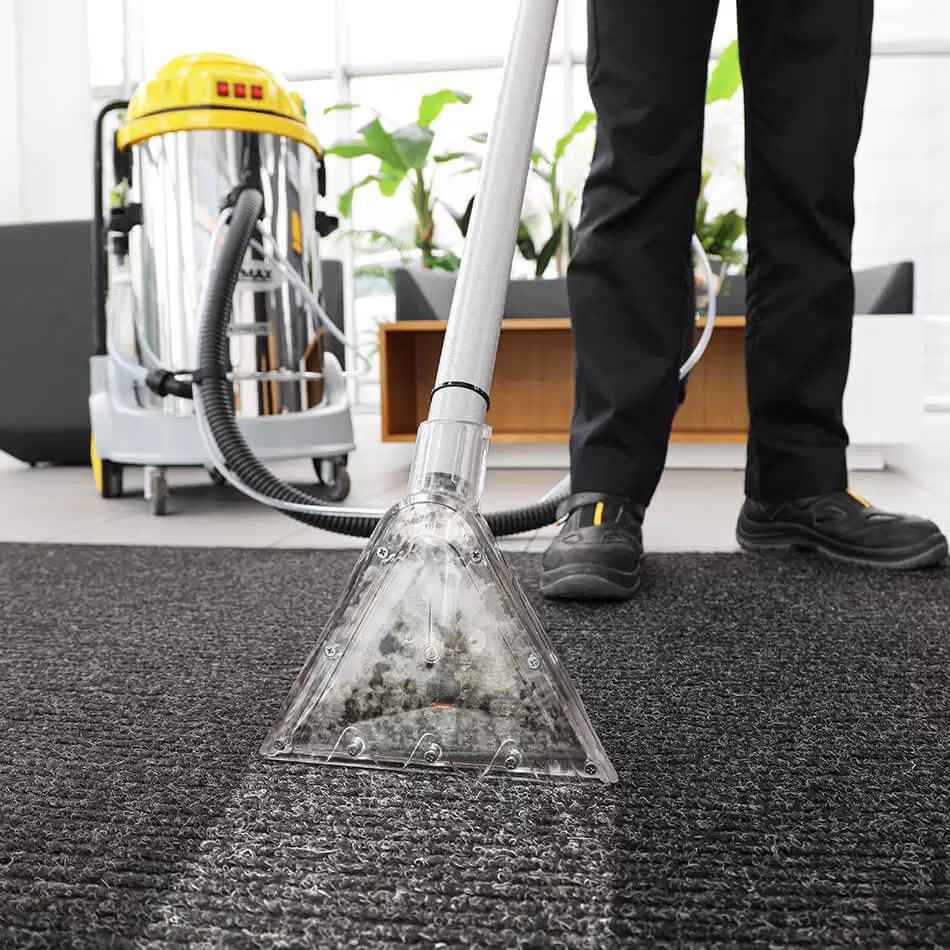
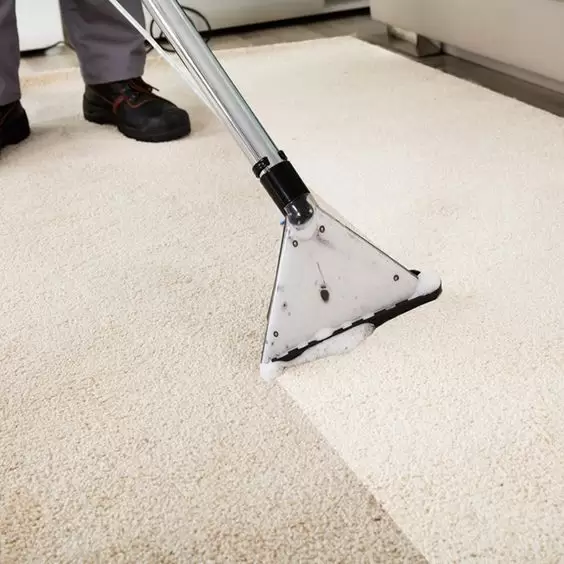
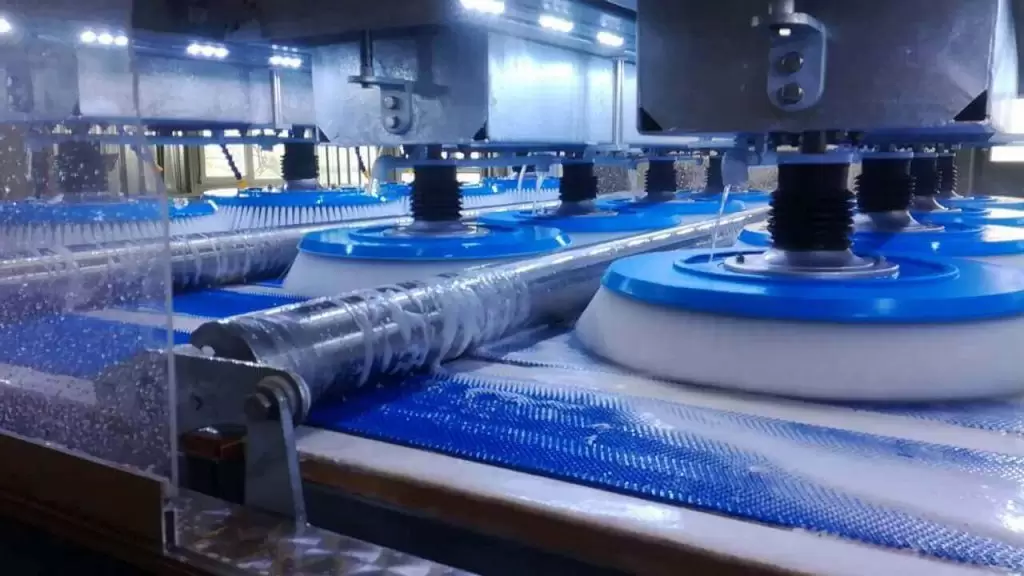
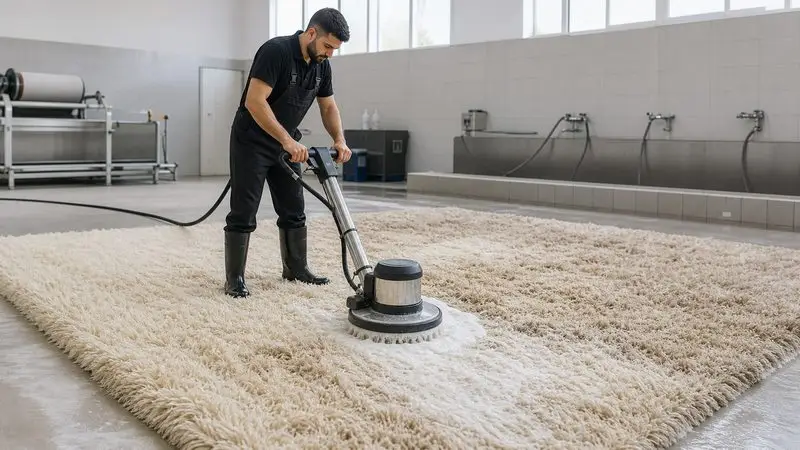
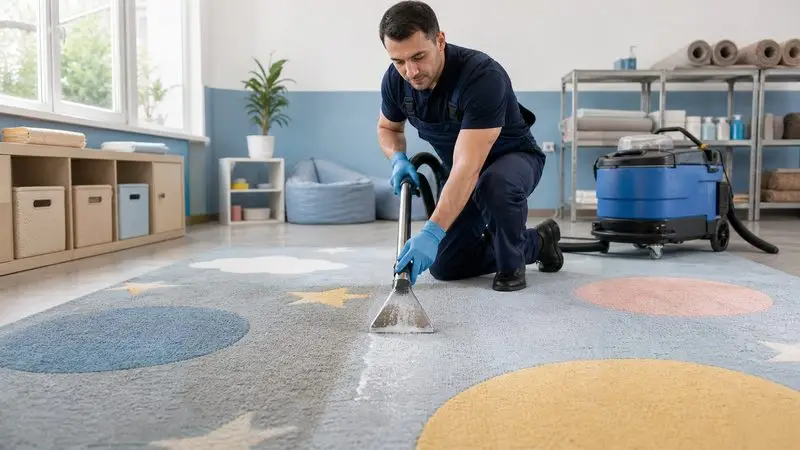
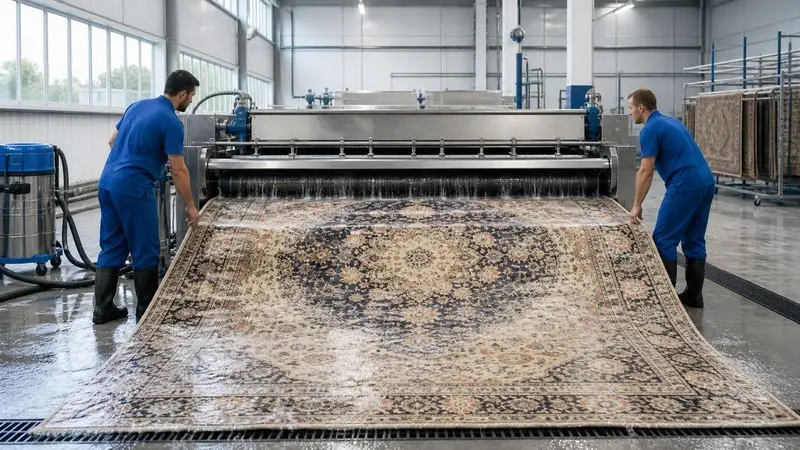
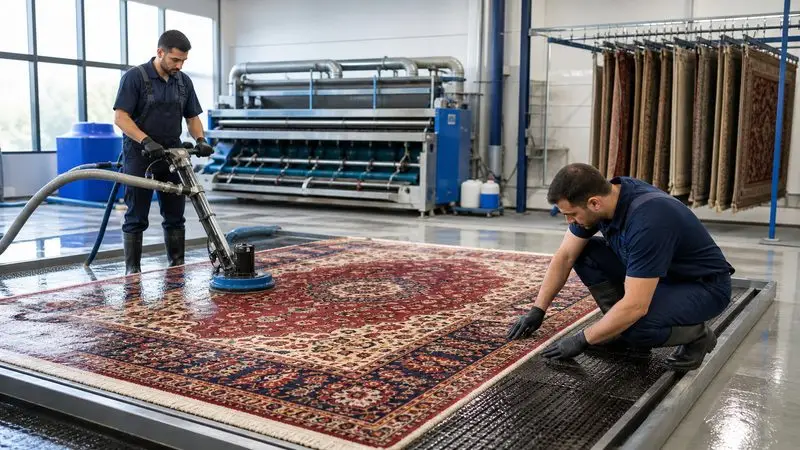
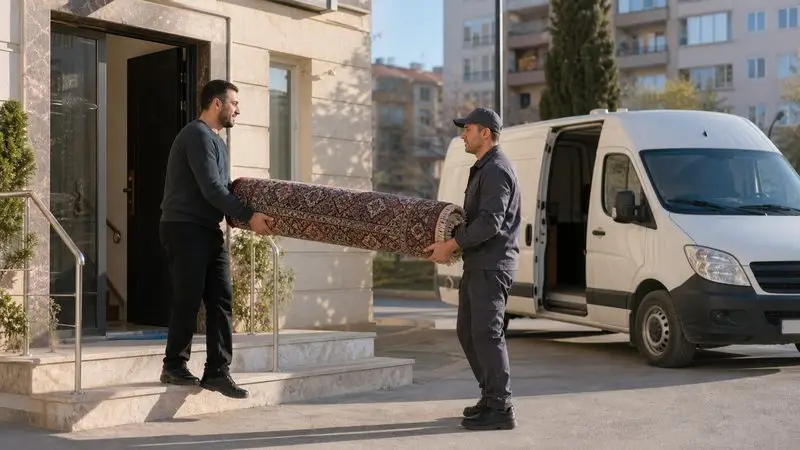
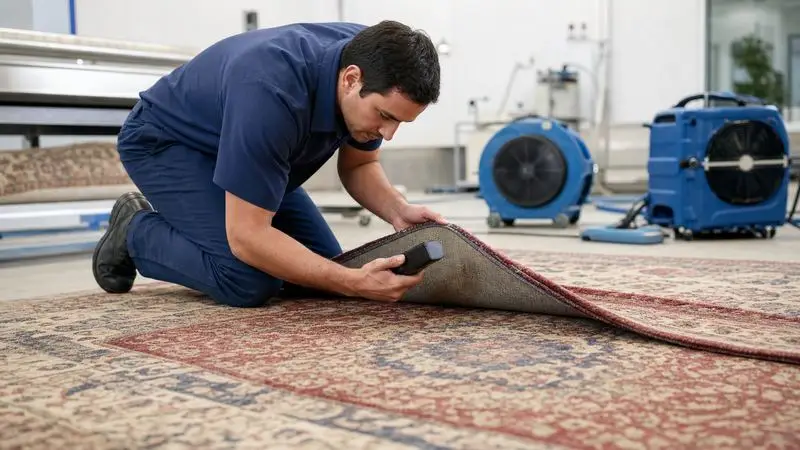
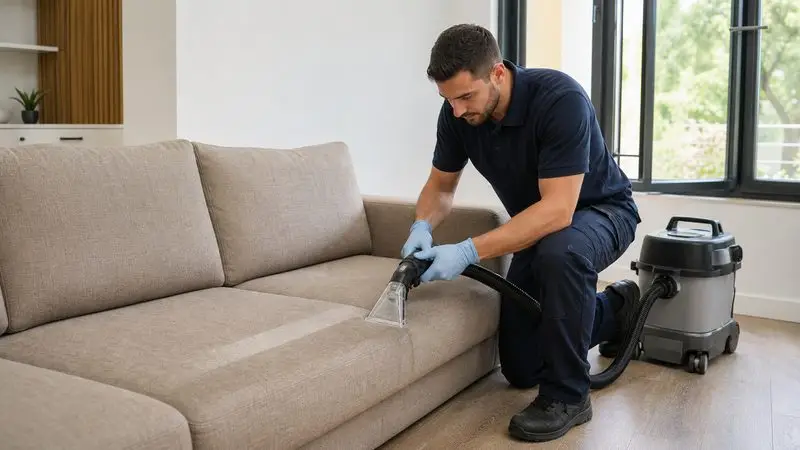
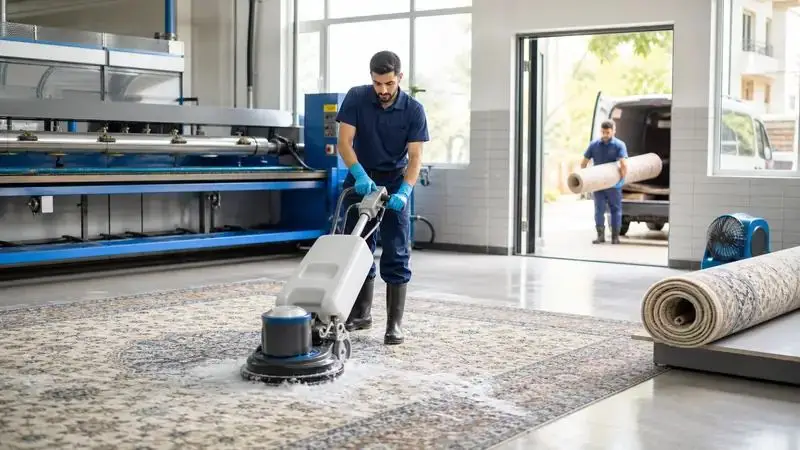
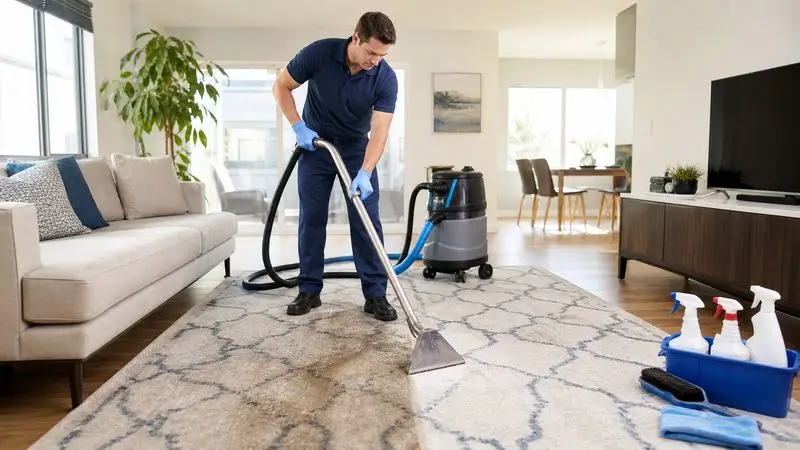
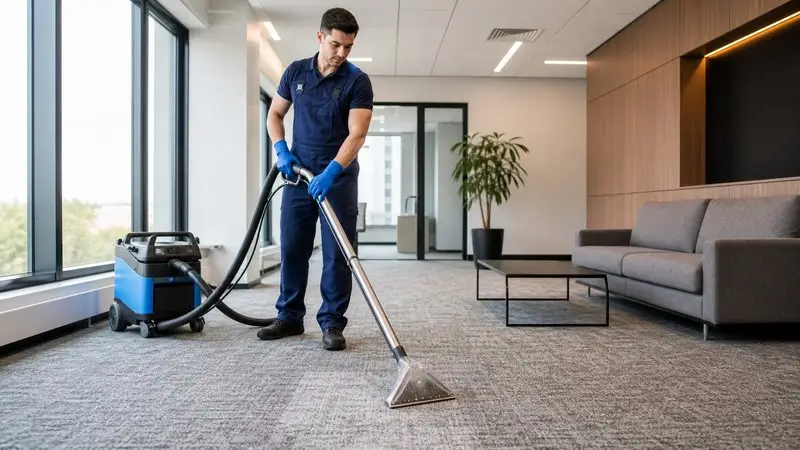
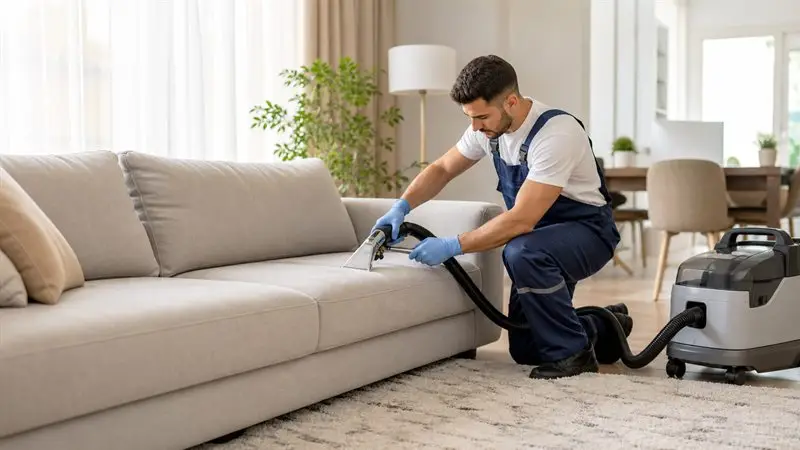
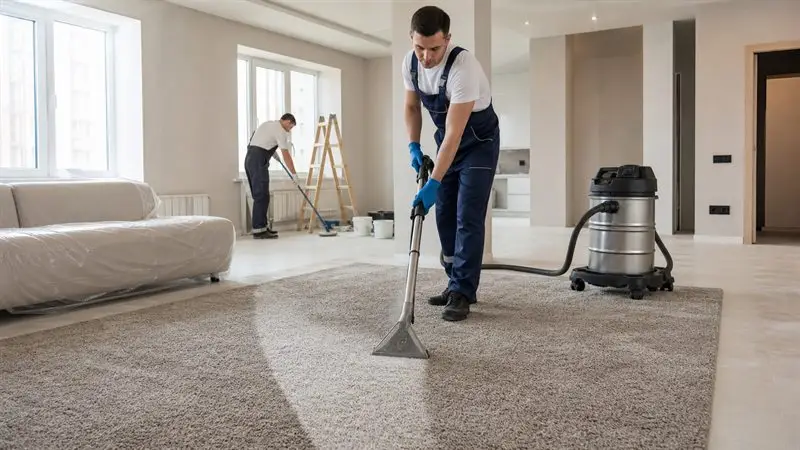
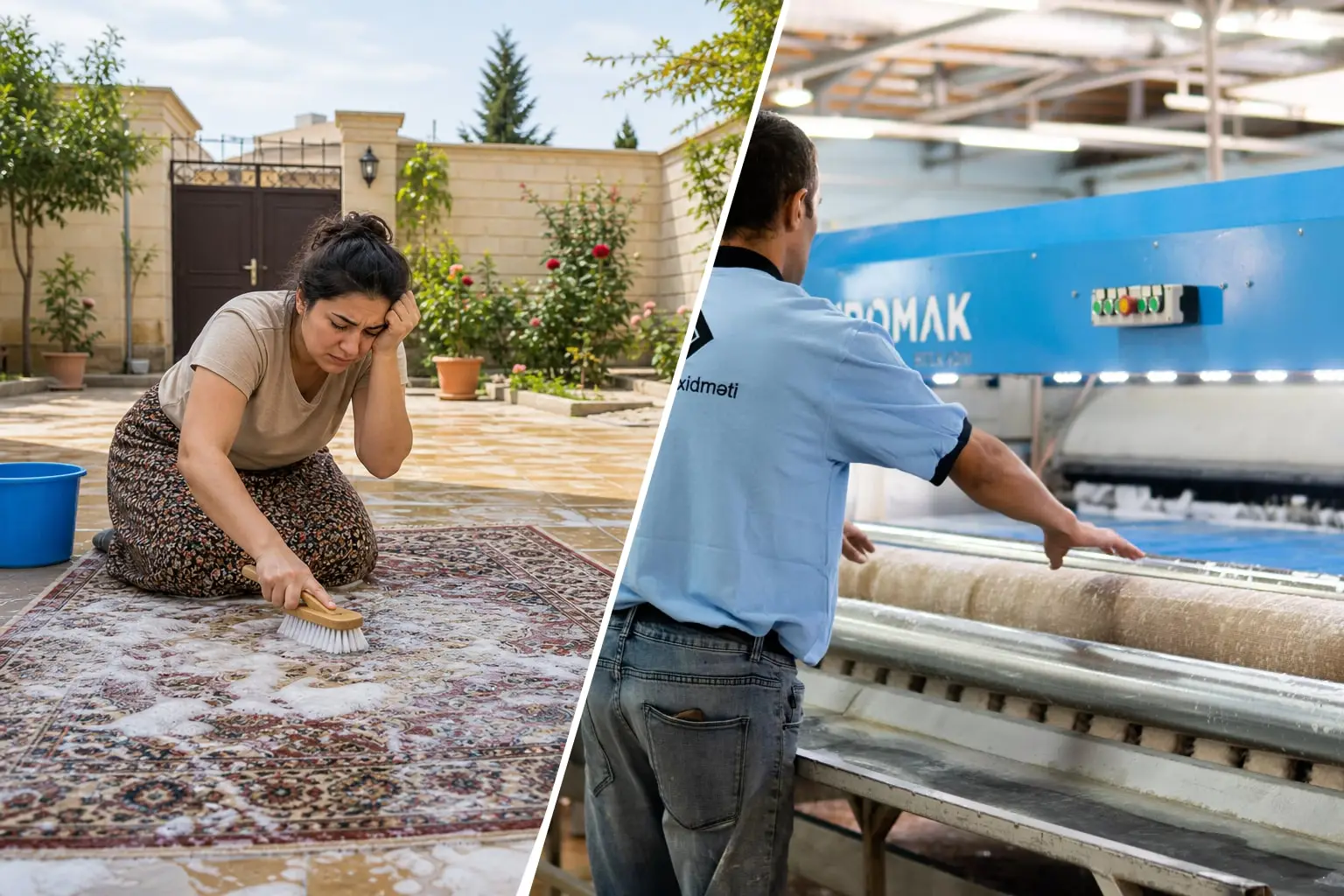
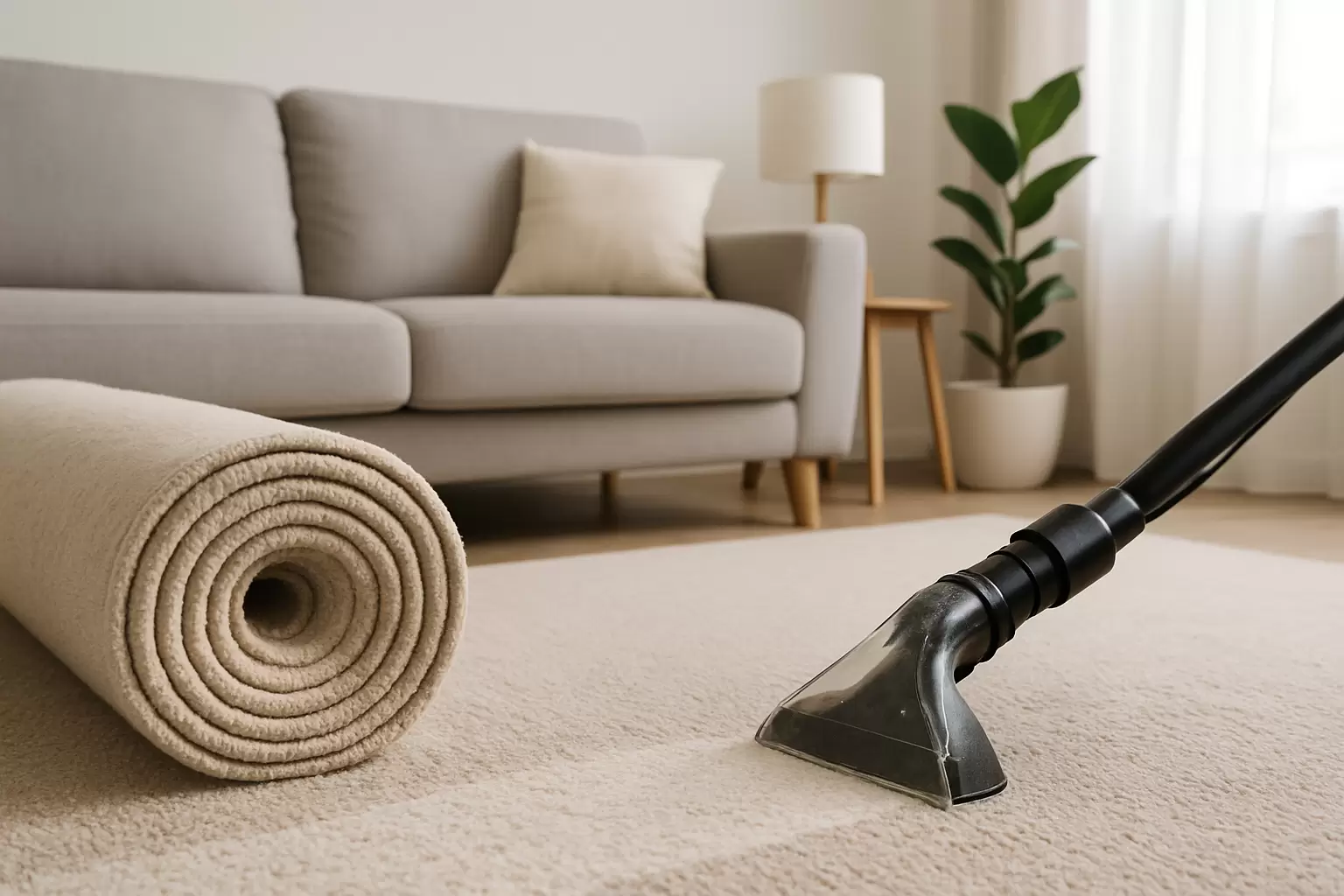
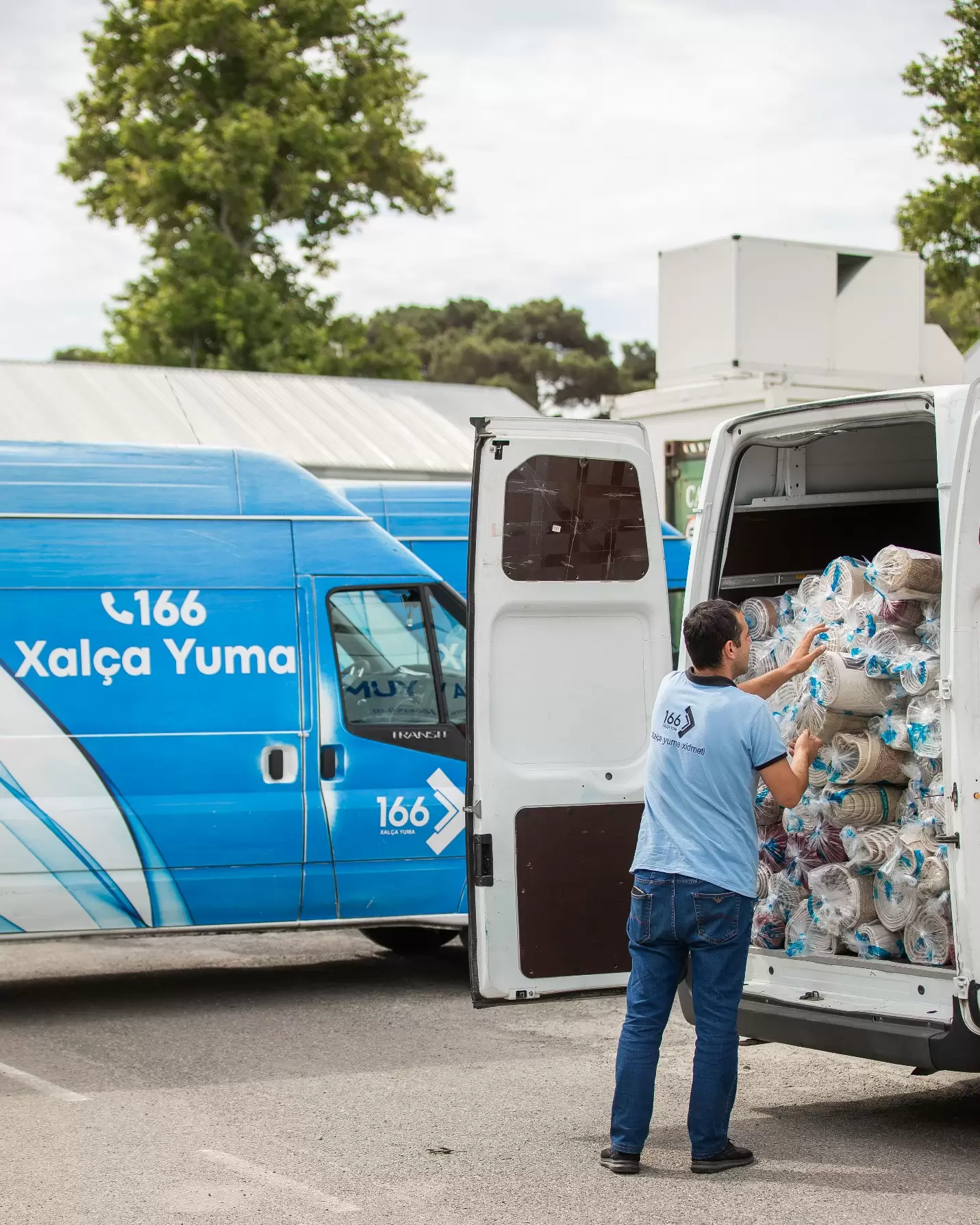
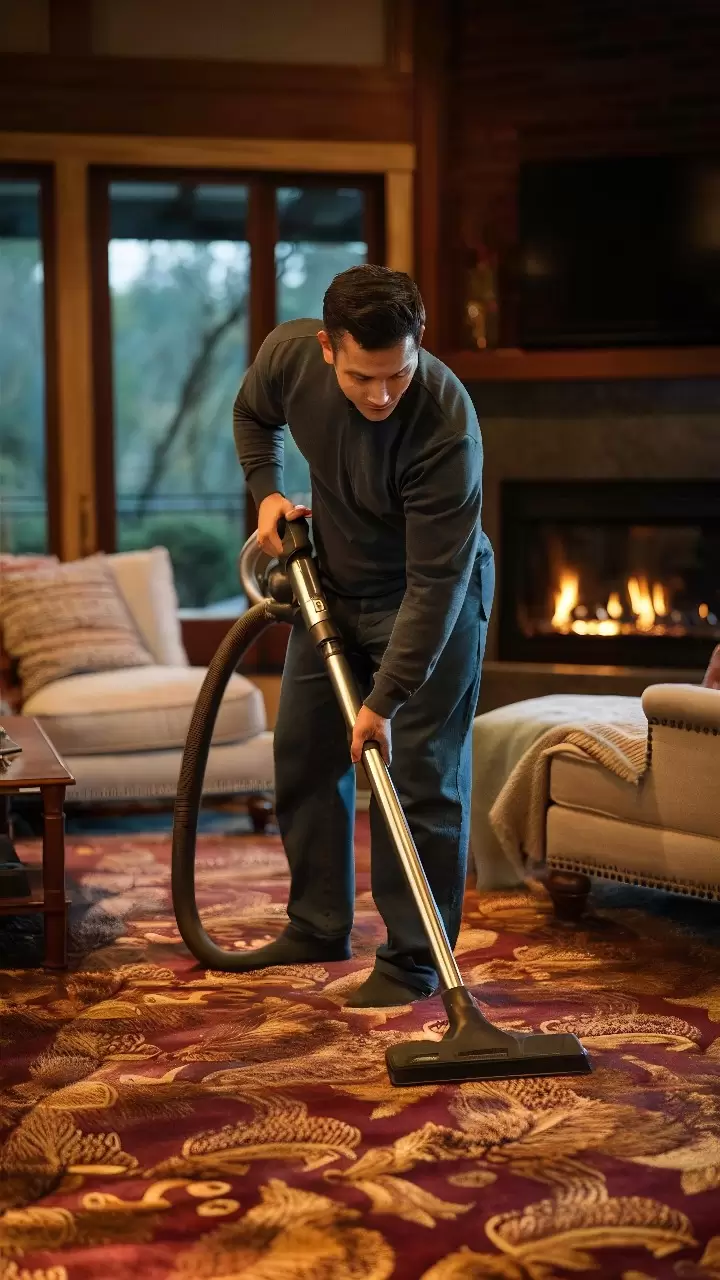
Removing and transporting wall-to-wall carpet is often impractical. In these situations, on-site carpet and rug cleaning with high-suction equipment offers a useful solution for large areas. Dry debris is collected first, visible stains are treated according to the fibre, and excess moisture is extracted in a controlled process. Loose rugs may instead be assessed for workshop cleaning based on their size, material and condition.
Coffee, grease and food stains require the right response
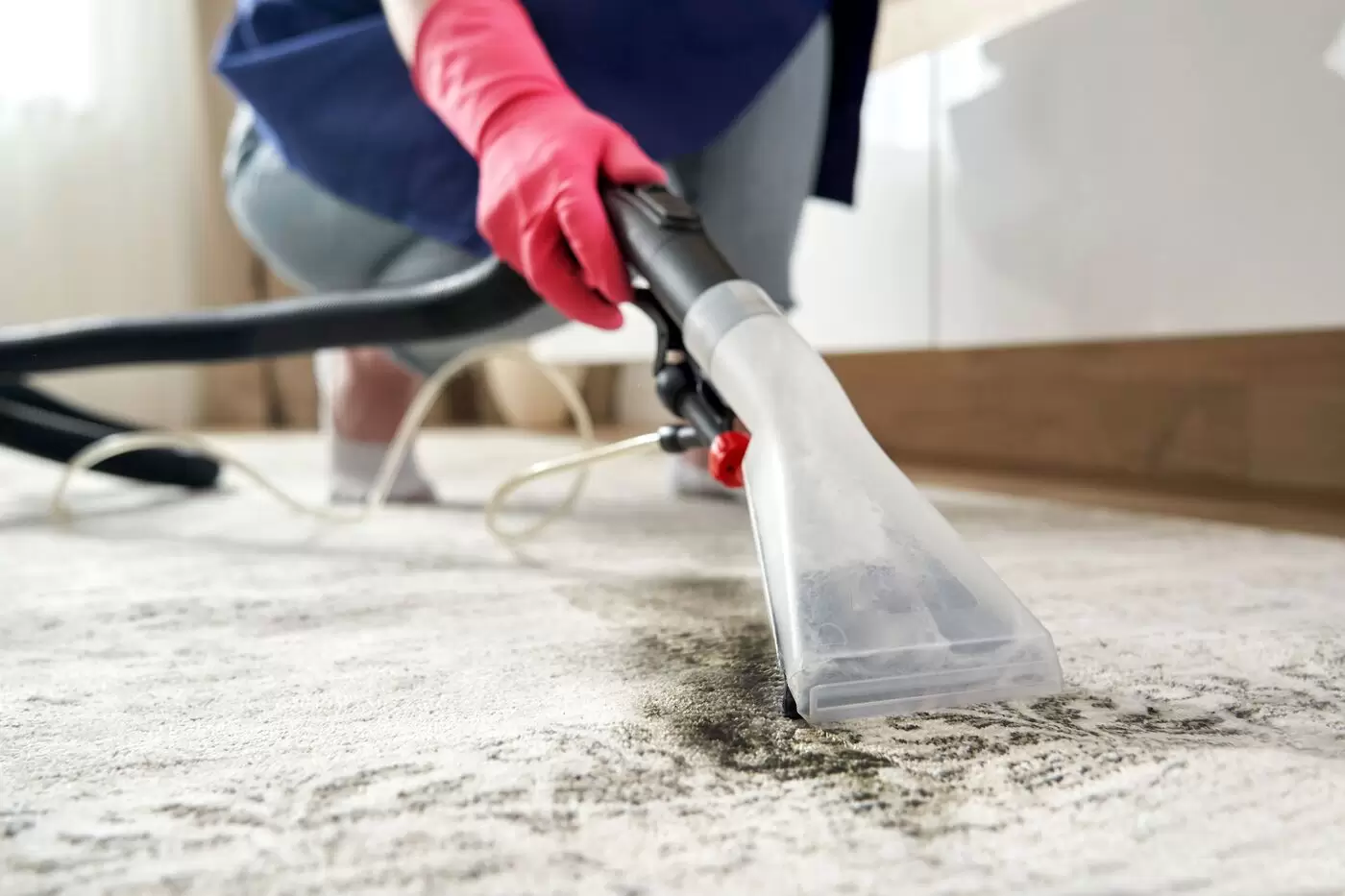
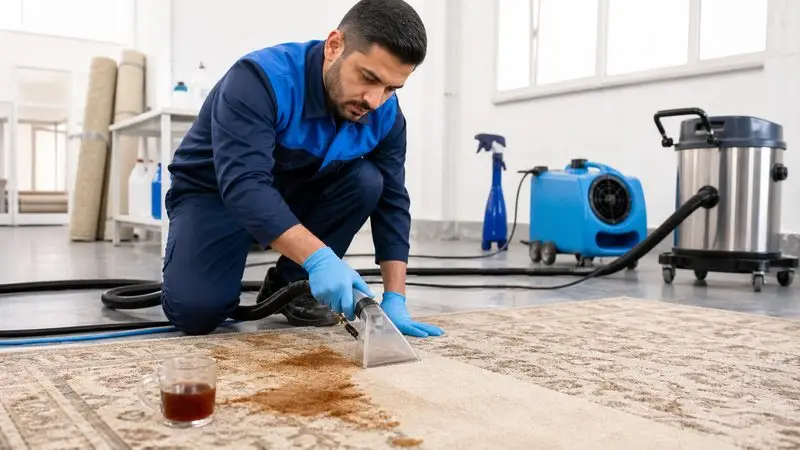
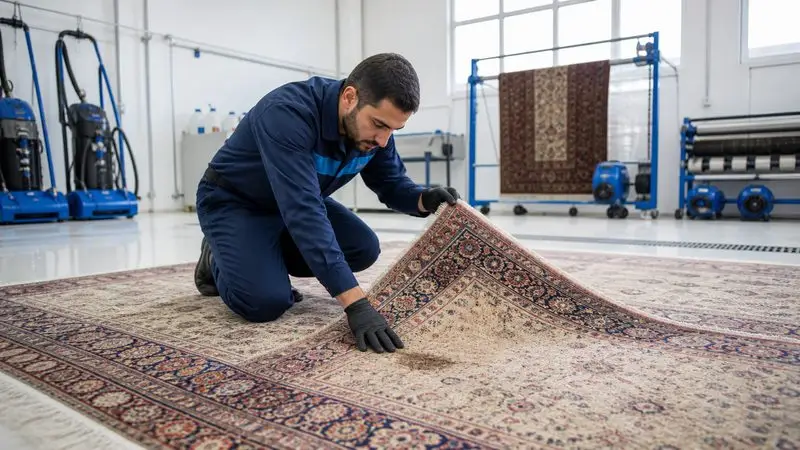
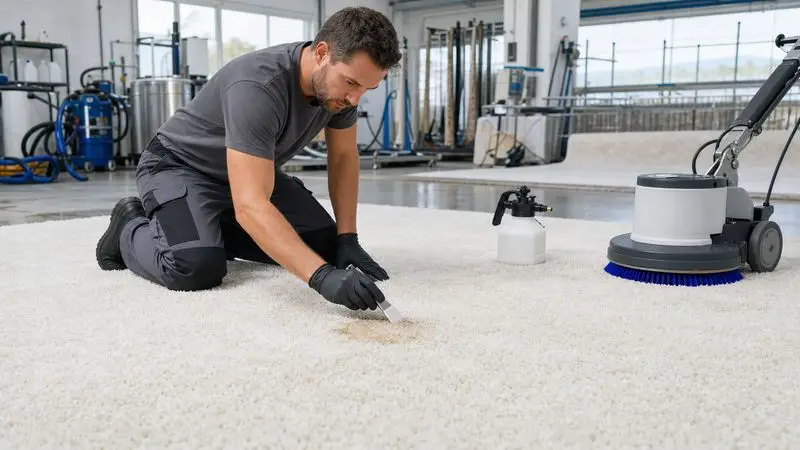
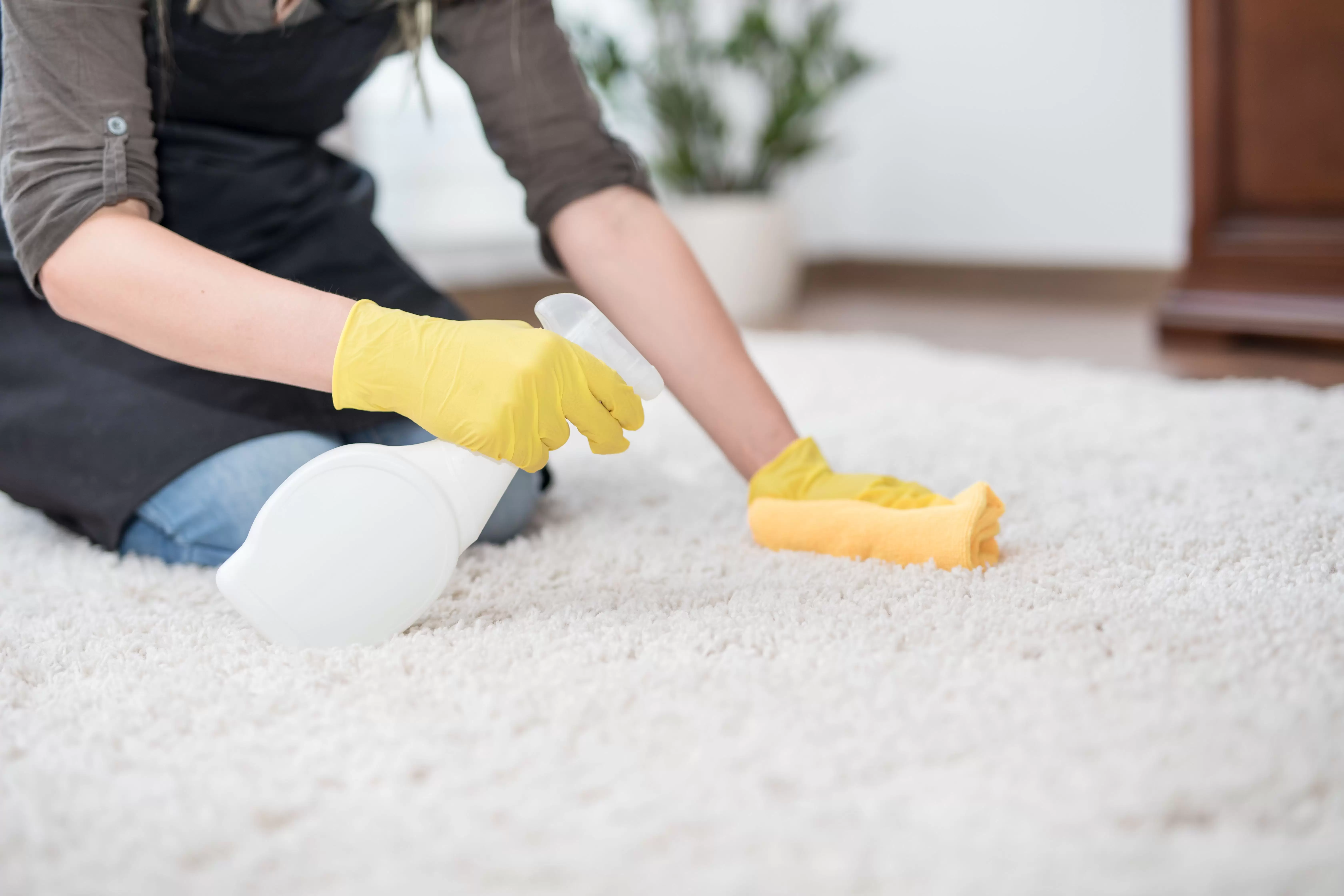
Scrubbing a restaurant spill can spread it through the fibres and create an uneven colour. Fresh liquid should first be blotted with a clean, colourless cloth, without applying an unknown household chemical. A specialist evaluates the source and age of the stain together with the carpet construction before selecting a treatment. Setting realistic expectations for old stains, permanent colour changes or fibre damage is also an important part of the inspection.
Drying and reopening the area are managed safely
Ventilation, room temperature, carpet thickness and local humidity all influence drying. Allowing guests onto a wet section may leave new marks and create a slip or trip concern. The cleaned zone should therefore be clearly separated, an alternative route provided, and the area reopened only after sufficient drying. Scheduling the work during low-traffic hours makes this stage easier to manage.
A recurring maintenance plan simplifies future service
In busy hospitality properties, daily upkeep, prompt spot response and periodic deep cleaning should complement one another. A simple service record highlights repeating problem areas, supports a suitable interval and makes the scope of the next visit easier to estimate. To request a plan based on your hotel or restaurant area, materials and operating hours, contact 166 Carpet Cleaning. The team can assess the site and recommend an appropriate service method and schedule.














.webp "Carpet Cleaning Service – Cleanliness and Health Everywhere")