.webp "166 Xalcayuma Logo")



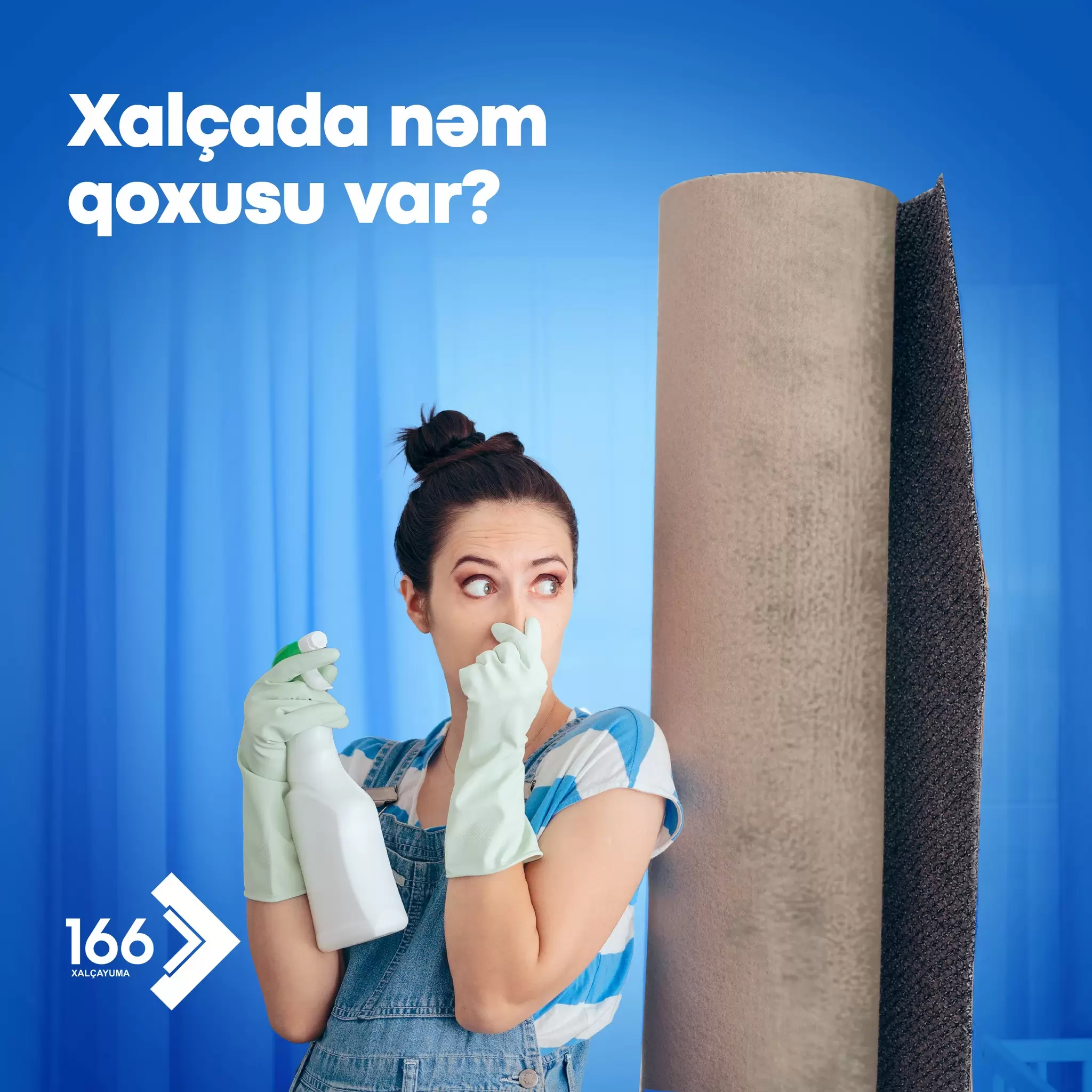
What causes a damp carpet smell and how should it be treated?
A damp or musty odor is often a warning that moisture remains inside the carpet pile or backing. Rainwater, a spill, a leaking pipe, a wet floor, high indoor humidity or slow drying after washing may all create the problem. Covering the smell with fragrance does not remove the moisture source. The carpet must be assessed, cleaned with a material-safe method and dried completely.
Early action is useful when the odor has just appeared. Visible mold-like spots, long-term water damage or an odor that repeatedly returns require professional assessment. Cleaning the rug alone will not prevent the issue from coming back if the leaking or damp area in the room is left unresolved.
Common causes of musty carpet odor
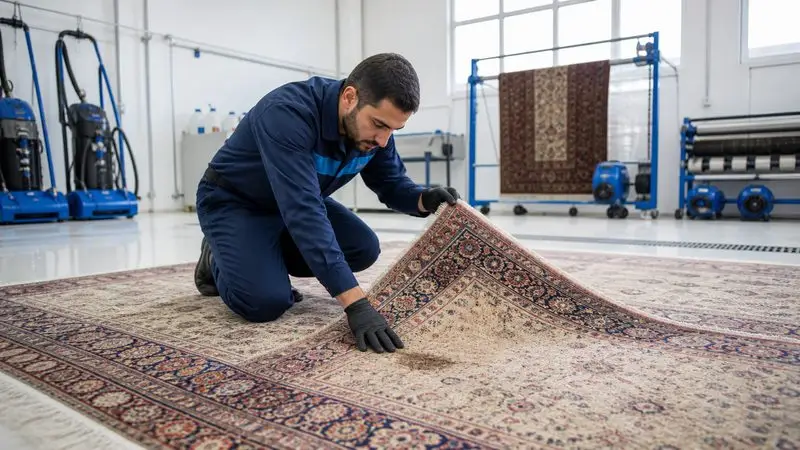
A carpet may feel dry on top while moisture remains underneath. This often happens when a thick rug is placed on a damp floor, rolled before it has dried or left in a room with poor airflow. Water entering around windows, plumbing leaks and high humidity can produce the same symptoms. Finding the source of moisture is the first step toward a lasting result.
Why fragrance alone does not solve the problem
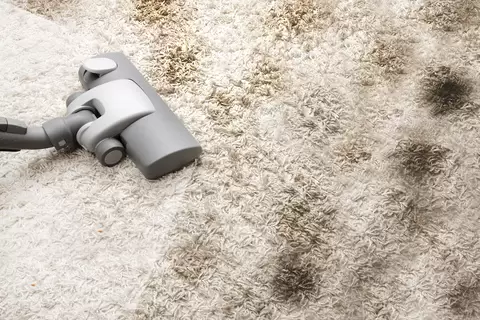
Perfumed sprays may hide an odor temporarily, but they do not extract moisture or embedded soil. Mixing household chemicals can also leave sticky residue, change colors or create a stronger smell. A professional carpet odor removal service should identify the affected area, select a treatment suitable for the fibers and include controlled drying after washing.
Safe first steps at home
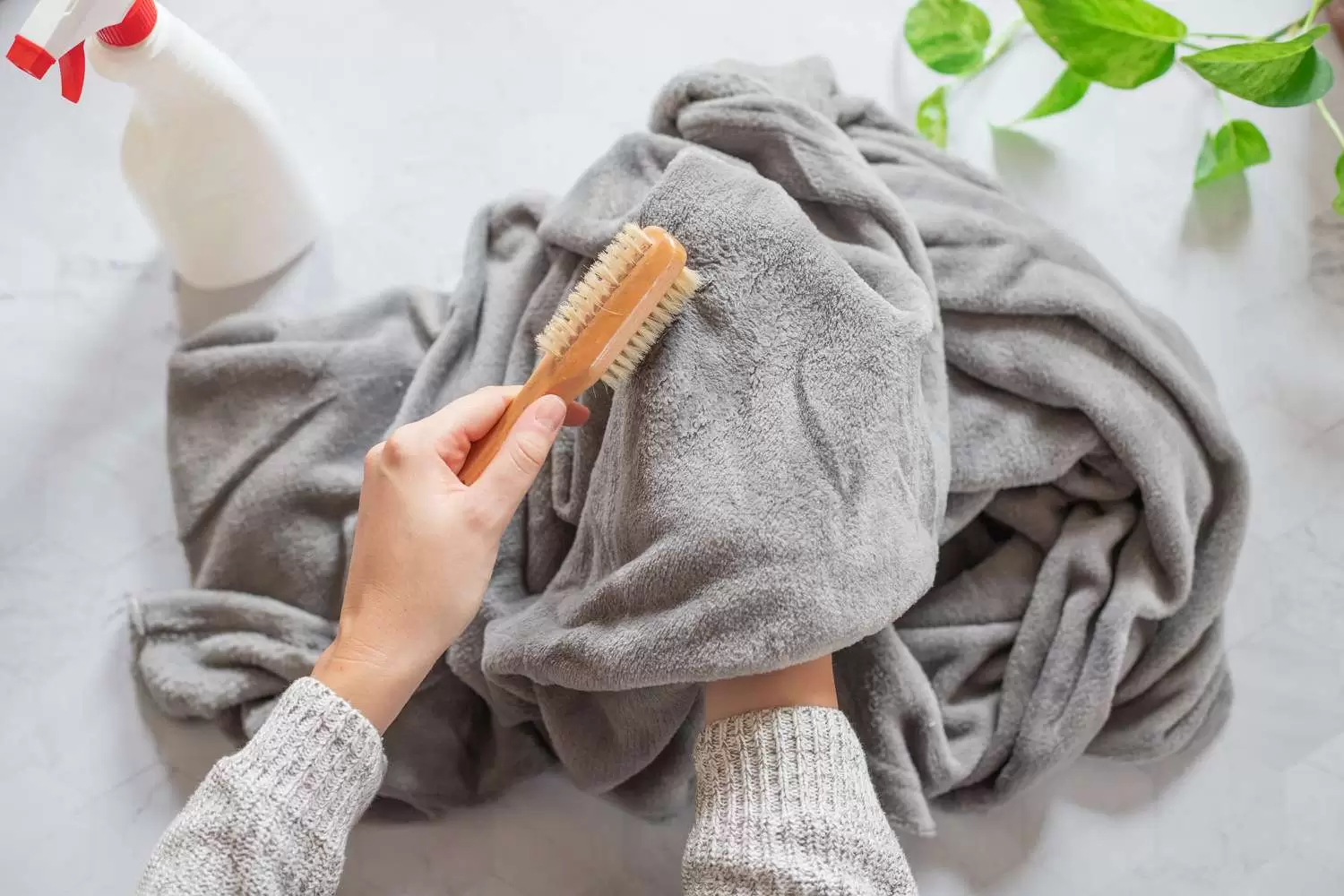
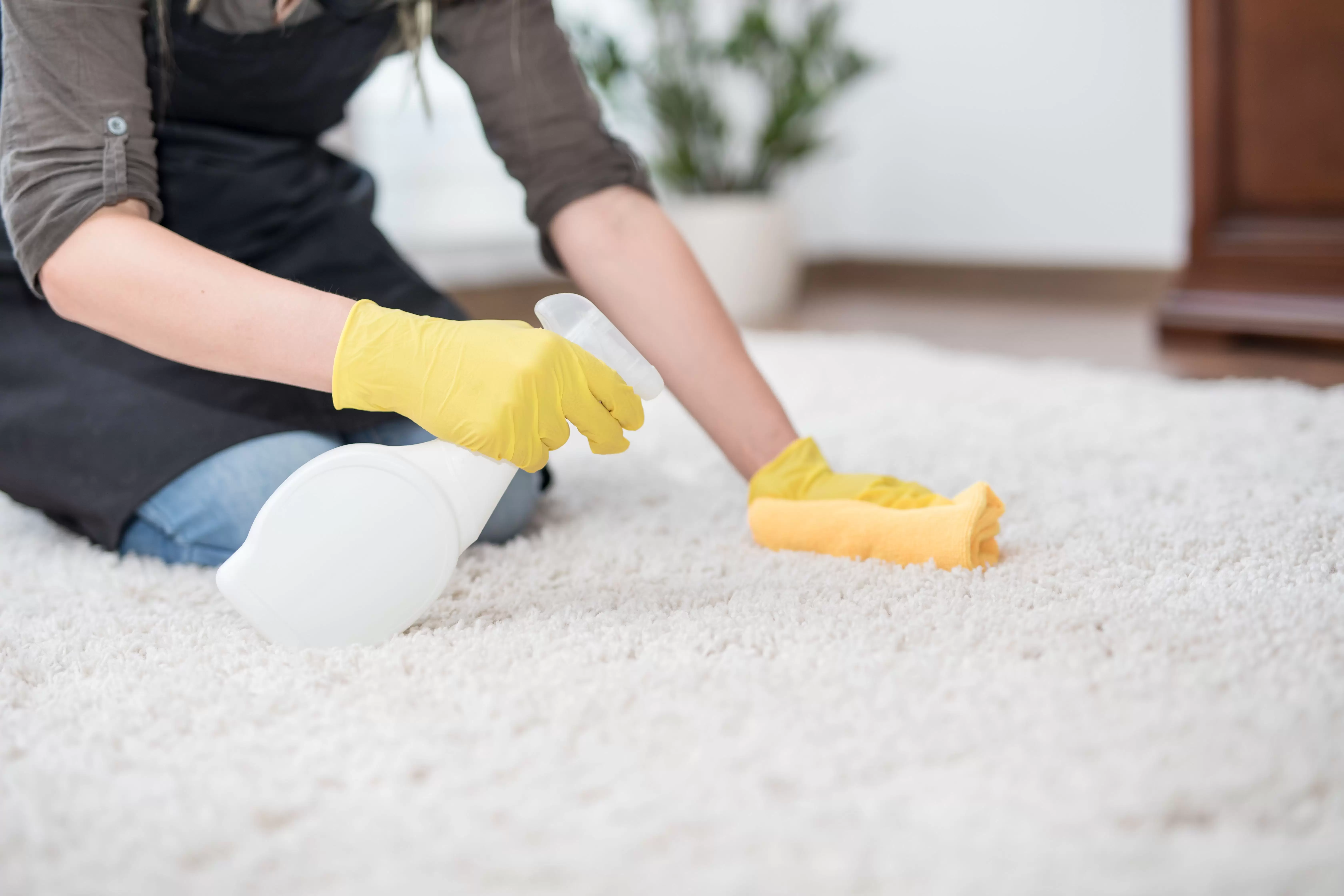
If a spill is fresh, blot it with a clean colorfast towel instead of rubbing. Improve ventilation and allow air to reach the underside when it is safe to do so. Do not roll, cover or place heavy furniture on a wet rug. Avoid bleach, extreme heat and unknown chemical mixtures. If a large area shows visible mold-like growth, avoid shaking the rug indoors and seek specialist advice.
Professional washing and controlled drying
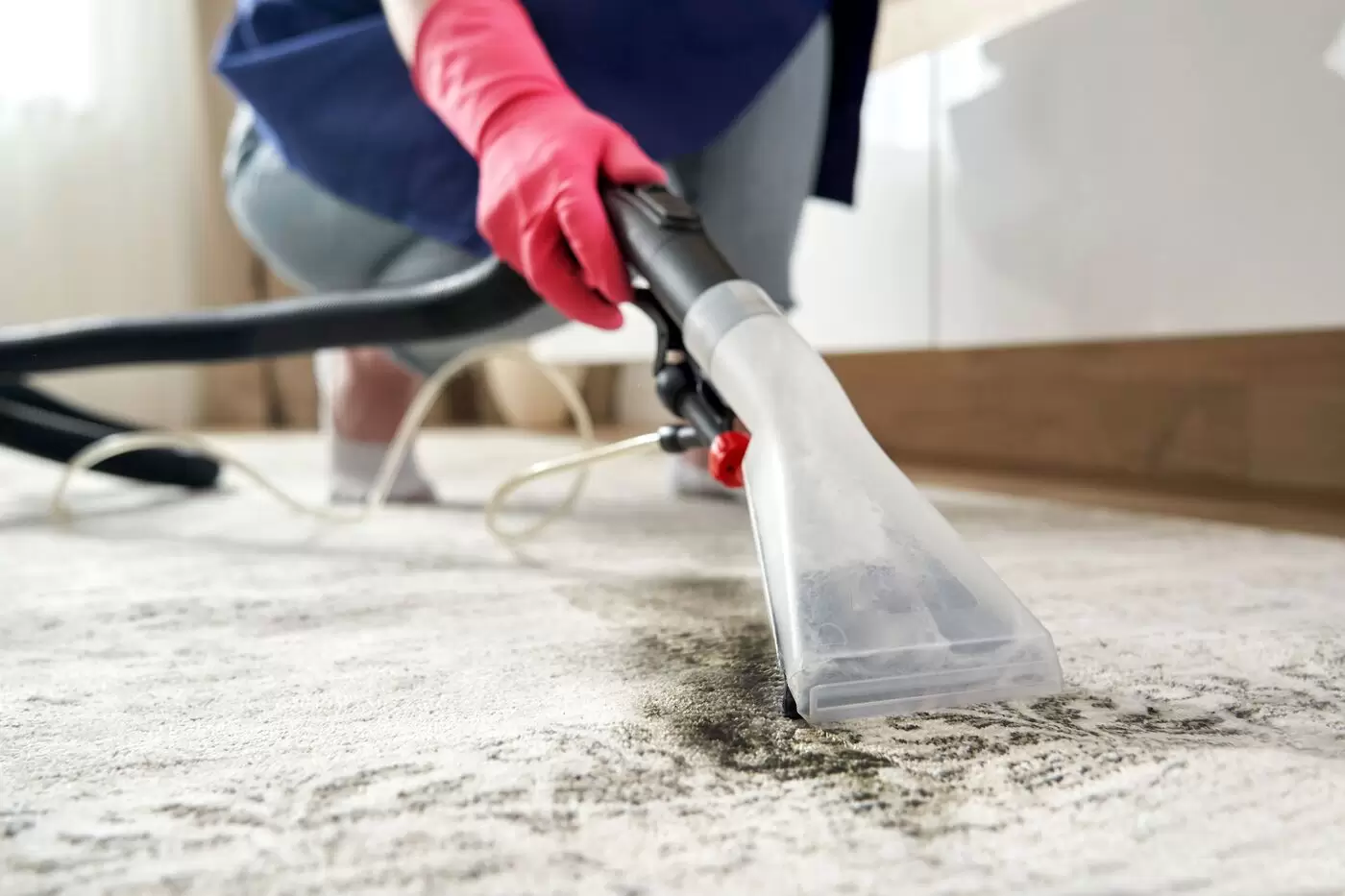
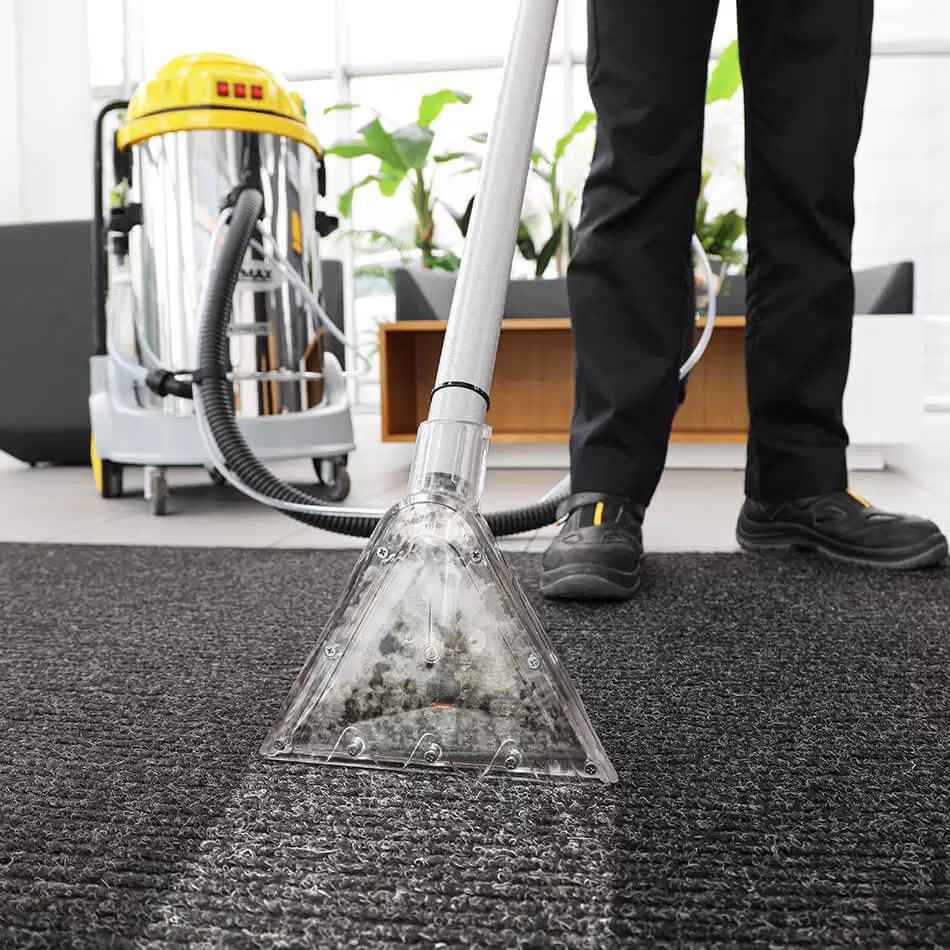
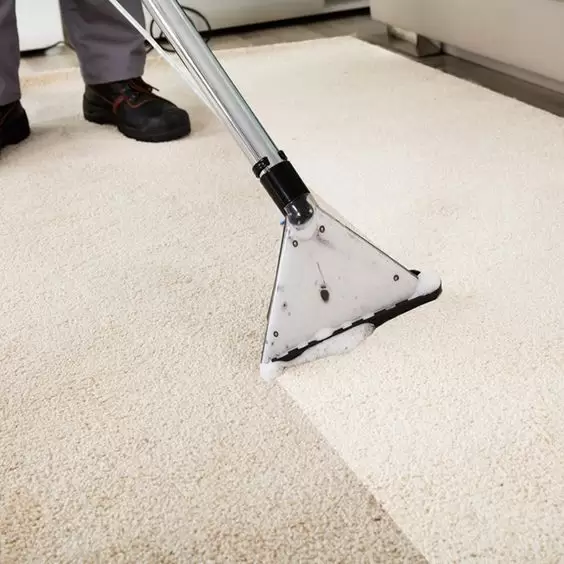
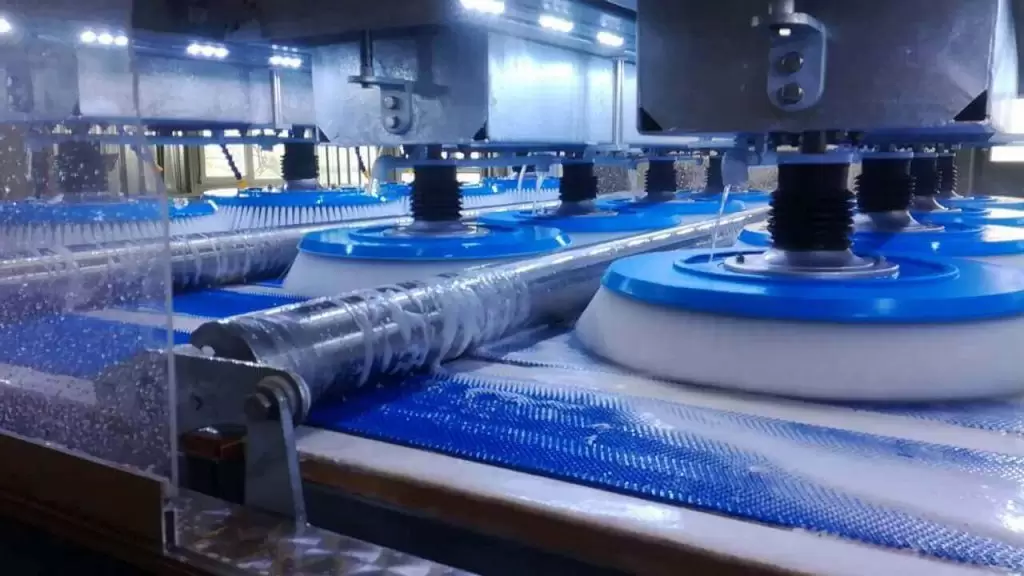
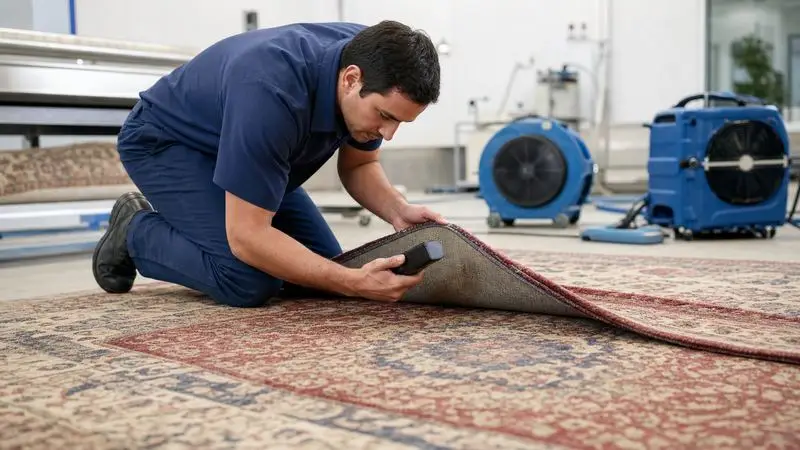
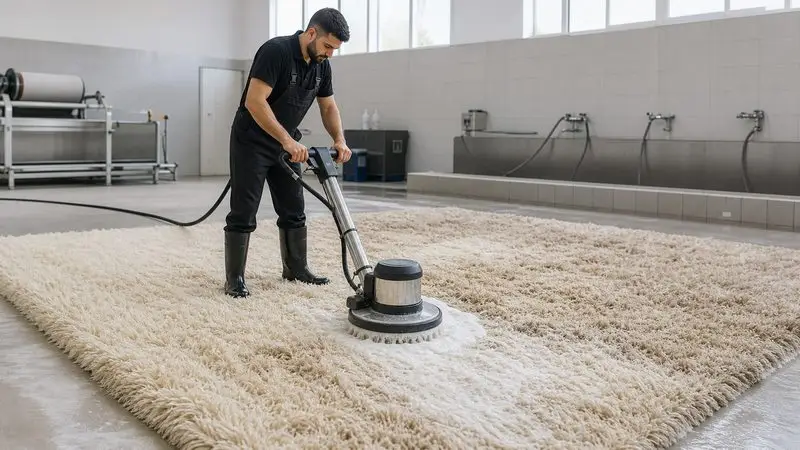
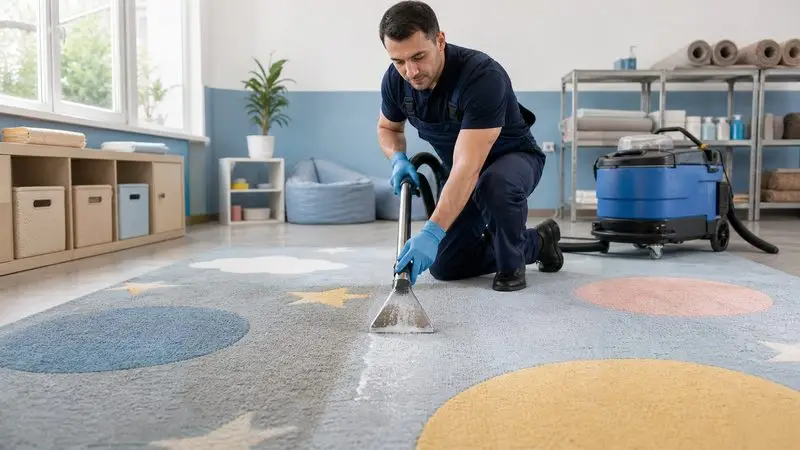
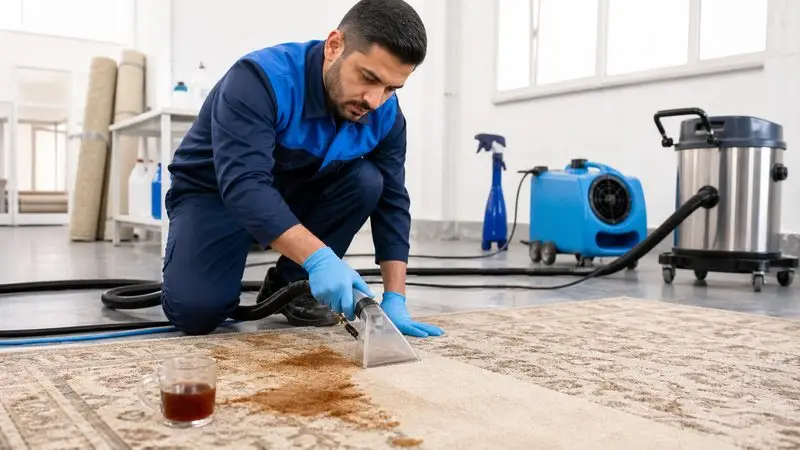
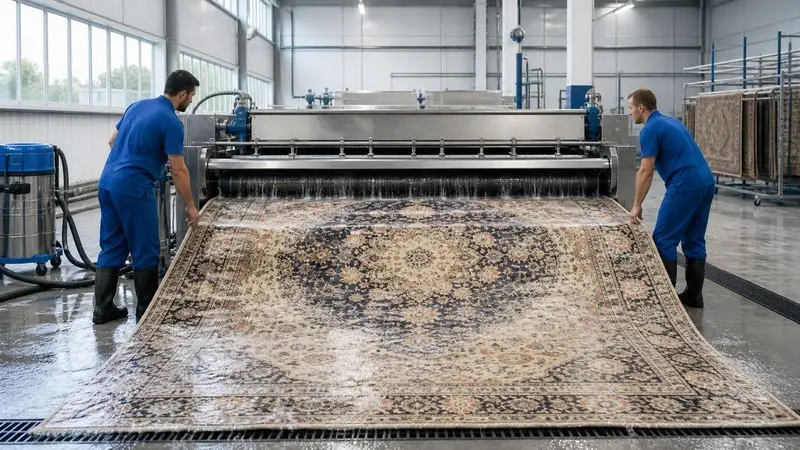
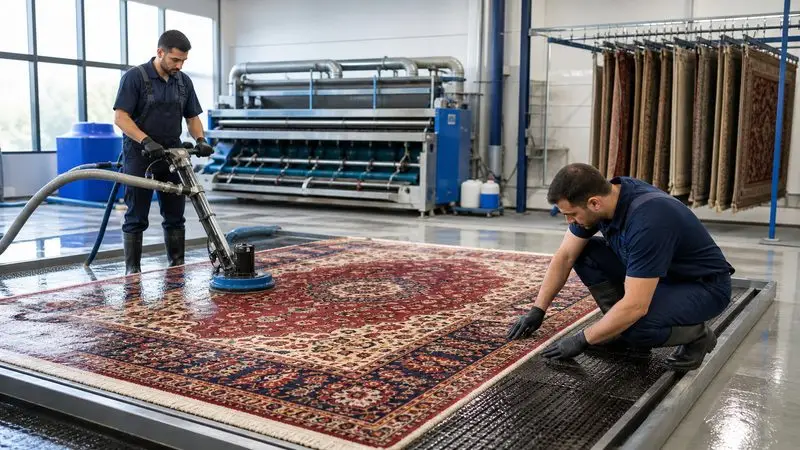
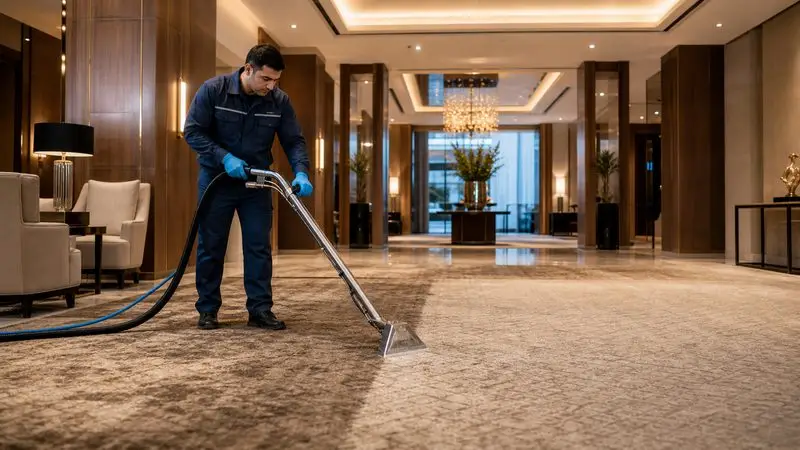
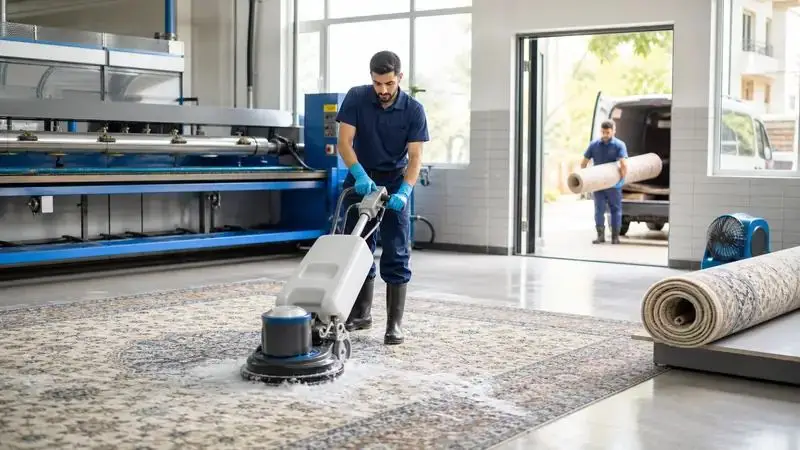
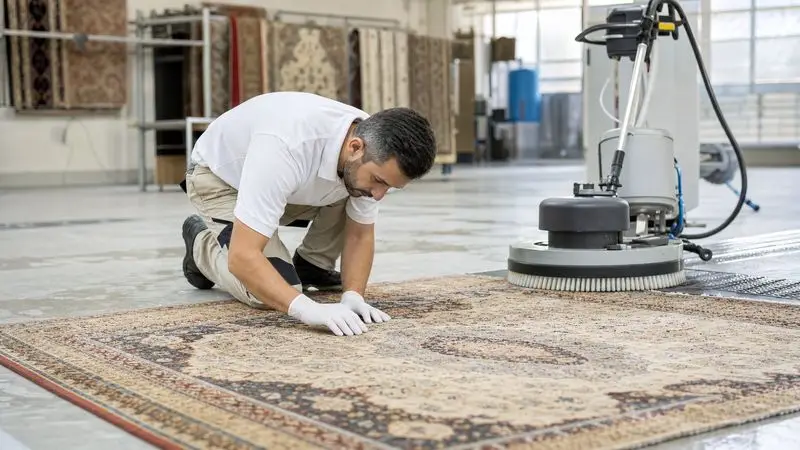
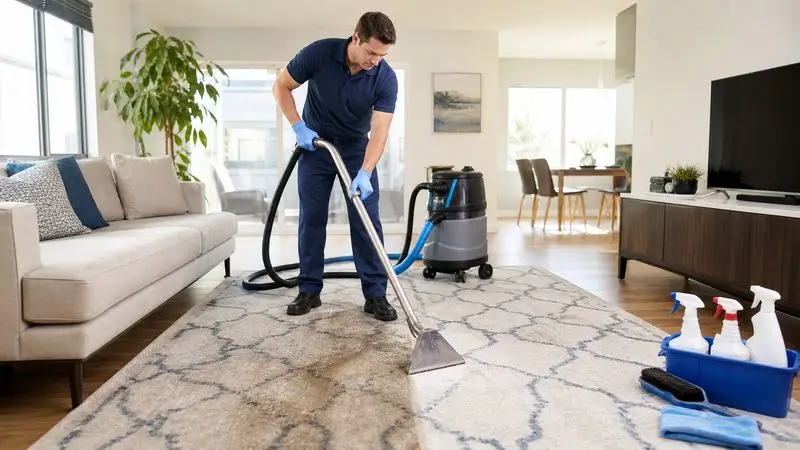
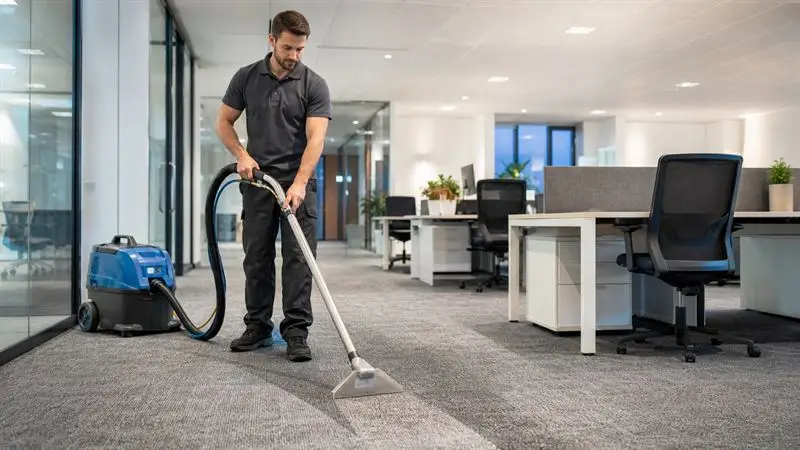
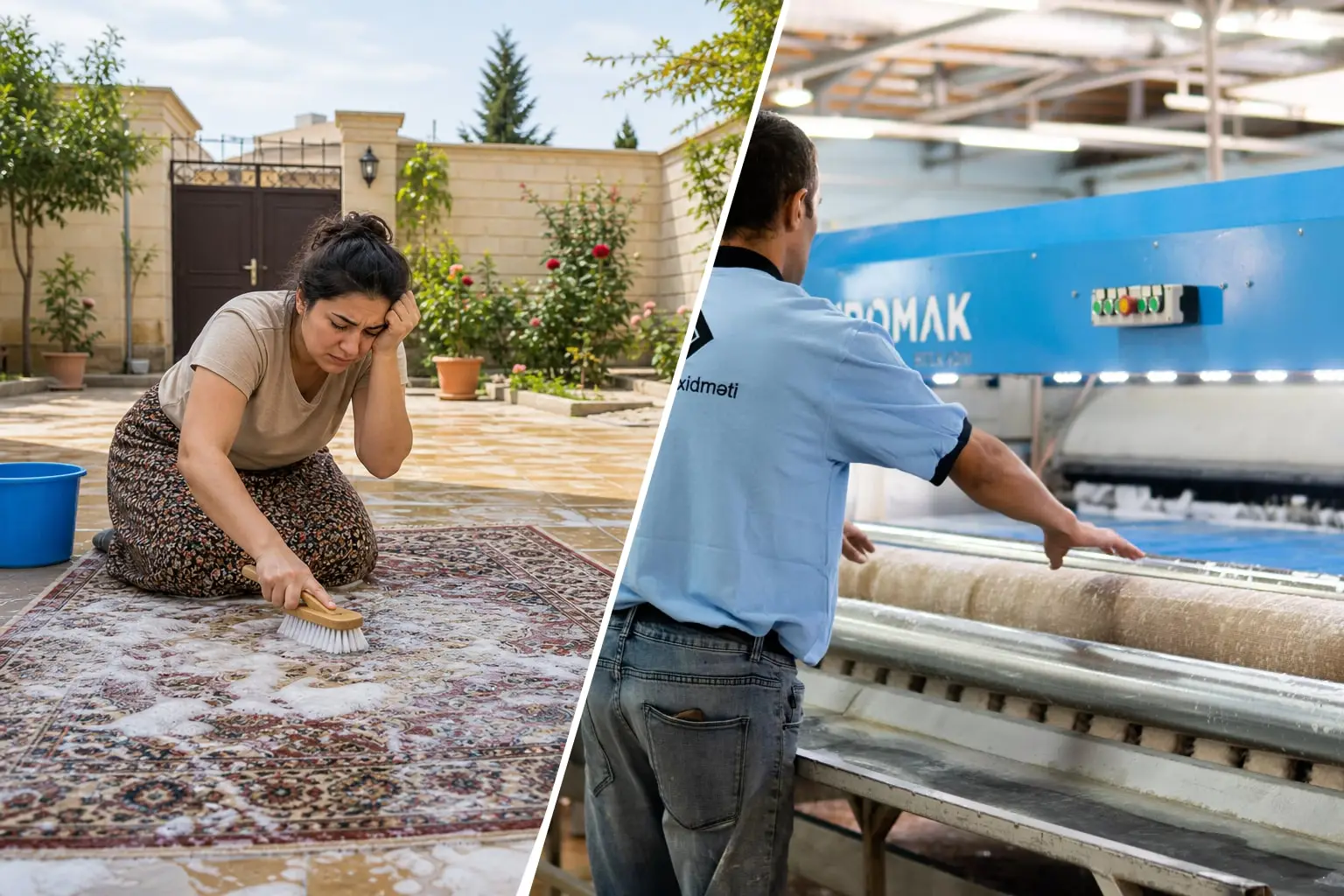
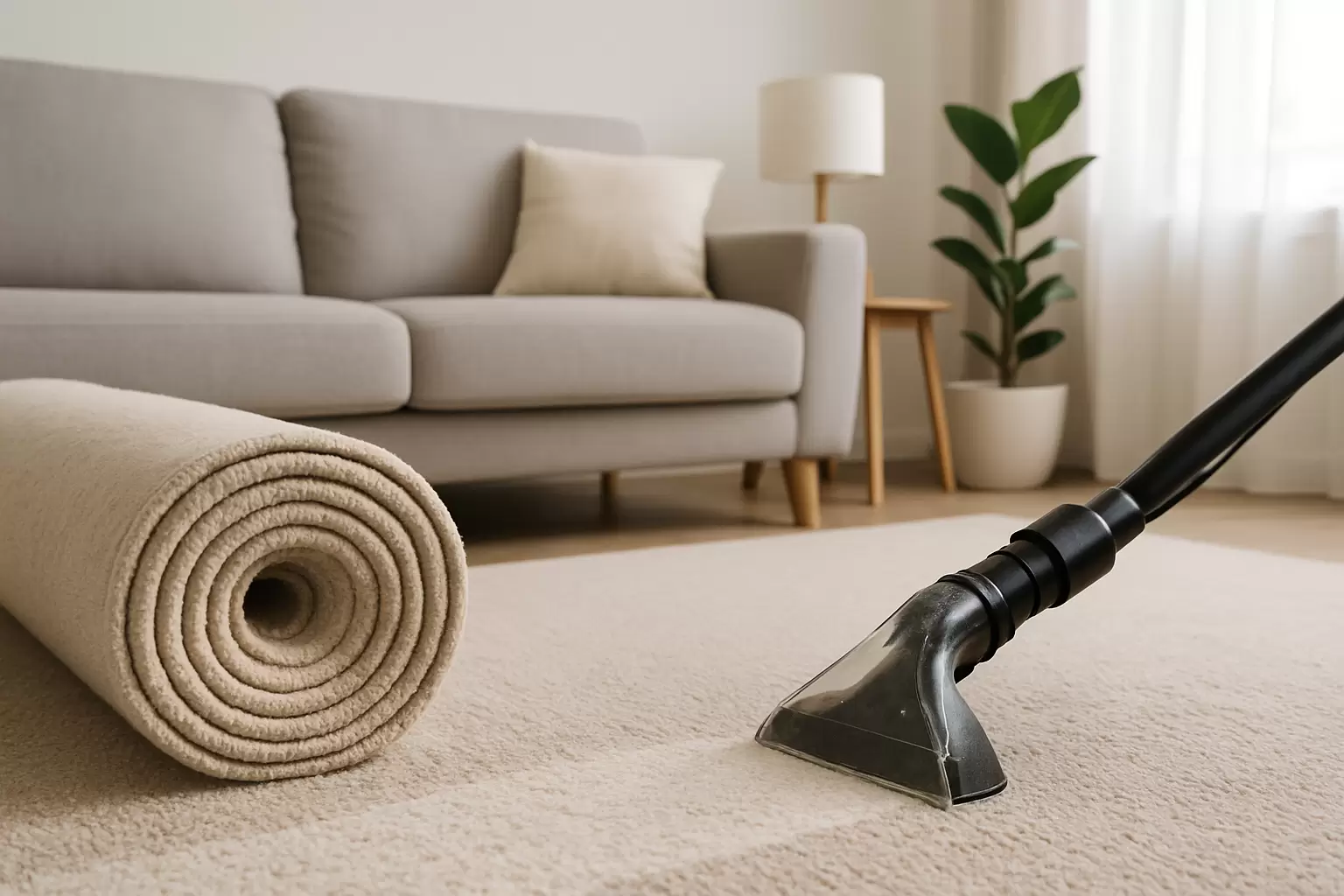
The process begins with an inspection of the material, color stability, odor area and moisture level. Dry soil is removed, the affected zones receive appropriate pre-treatment and the rug is washed according to its construction. Extraction equipment removes most of the water before controlled drying. A reliable professional carpet washing service checks that the backing is dry rather than judging only the surface.
When is a professional inspection necessary?
Ask for help if the odor does not improve, the underside stays damp, colored spots appear or the fibers begin to change. Water from sewage or another contaminated source needs special handling and ordinary washing may not be enough. The technician should decide whether the rug can be safely restored. The source of moisture in the floor, wall or room must also be repaired.
How to prepare your booking
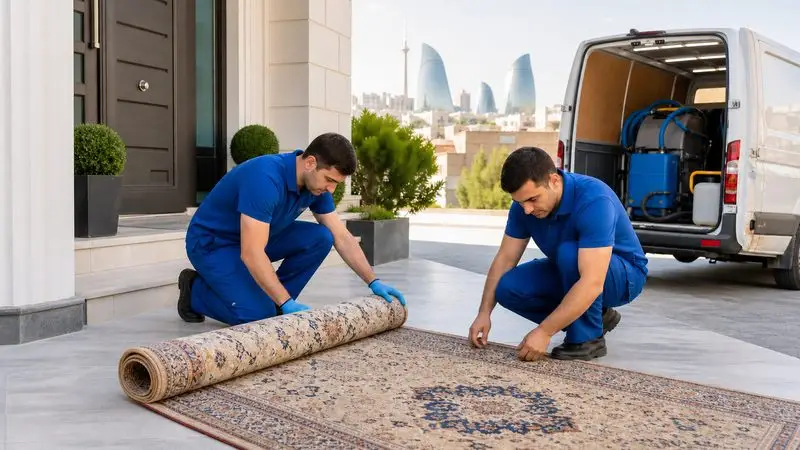
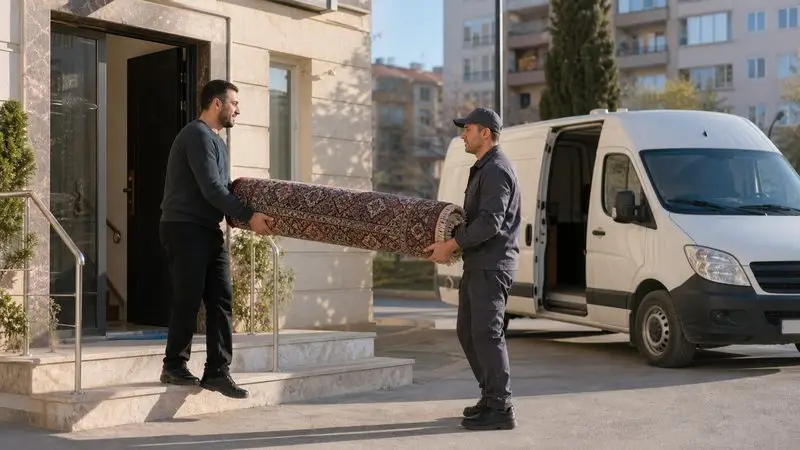
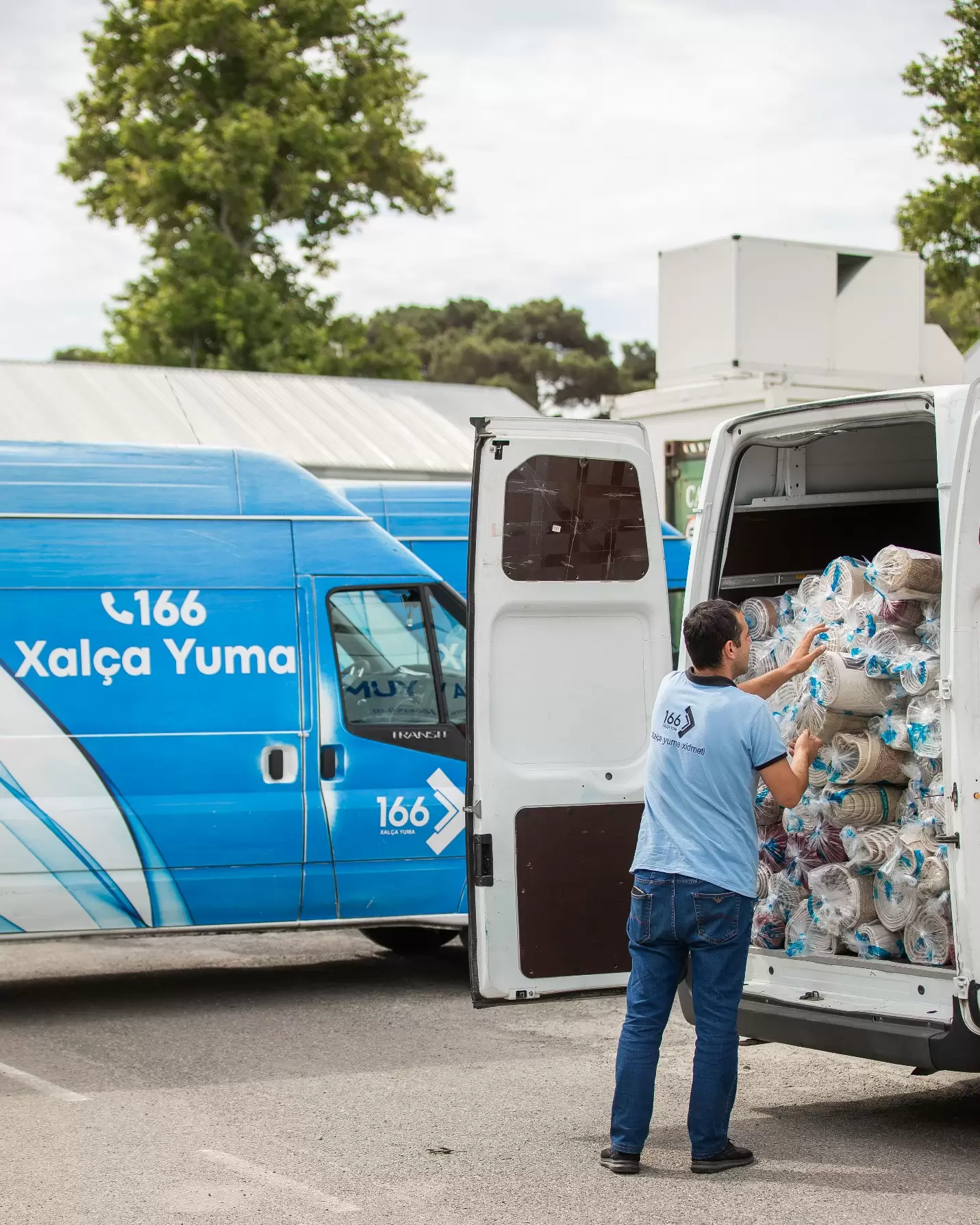
Explain when the odor started, where the water came from, the rug material and which products have already been used. A clear photo may help with the initial assessment. Keep the rug in a dry, ventilated area and do not roll it while damp. To arrange inspection, pickup and delivery, contact 166 Xalça Yuma. Timely professional care focuses on removing the cause instead of simply masking the smell.












.webp "Carpet Cleaning Service – Cleanliness and Health Everywhere")