.webp "166 Xalcayuma Logo")



For many households, summer is the natural time for a deep clean. The weather is warmer, rooms can be aired more easily, and carpets are often cleaned before being stored or laid out again for the next season. This is also why carpet cleaning services become especially busy during the summer months.
Preparing a carpet for collection may seem as simple as rolling it up and handing it over. In reality, a few well-intentioned actions can make stains harder to remove, affect the colour or leave moisture trapped inside the carpet. A person may try a strong stain remover “just to help,” fold a damp carpet because it will be washed anyway, or forget to mention a weak edge. Each of these details can influence the cleaning method and the final result.
This guide explains the most common mistakes people make before professional summer carpet cleaning. It is not a guide to washing a carpet at home. The aim is to show what should be avoided so that the carpet reaches the cleaning team in a condition that allows for safer and more effective treatment.
Why is summer considered carpet cleaning season?
Warm weather makes home maintenance easier and can support a faster drying process when professional facilities are properly managed. Many families also remove heavy carpets during summer and prefer to store them only after cleaning. Moving, renovation and end-of-school-year cleaning further increase demand.
However, heat alone does not guarantee safe drying. Direct, intense sunlight may fade certain colours. A carpet that is not rinsed or extracted correctly can retain detergent and moisture even in hot weather. Thick, wool and high-pile carpets may feel dry on the surface while deeper layers remain damp. A professional process must therefore include inspection, dust removal, material-appropriate washing, thorough rinsing, controlled drying and a final check.
1. Treating a stain with a strong chemical before collection
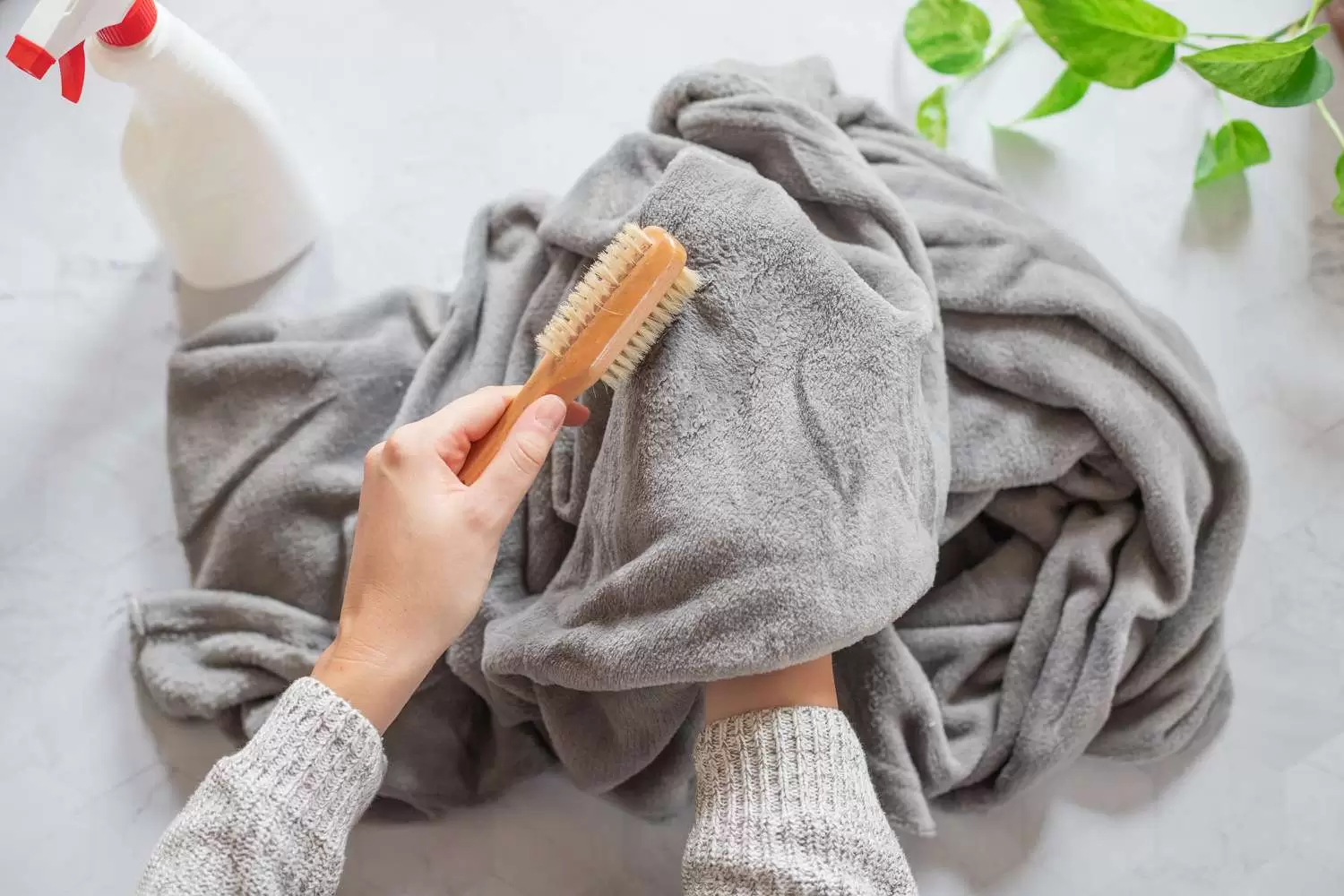
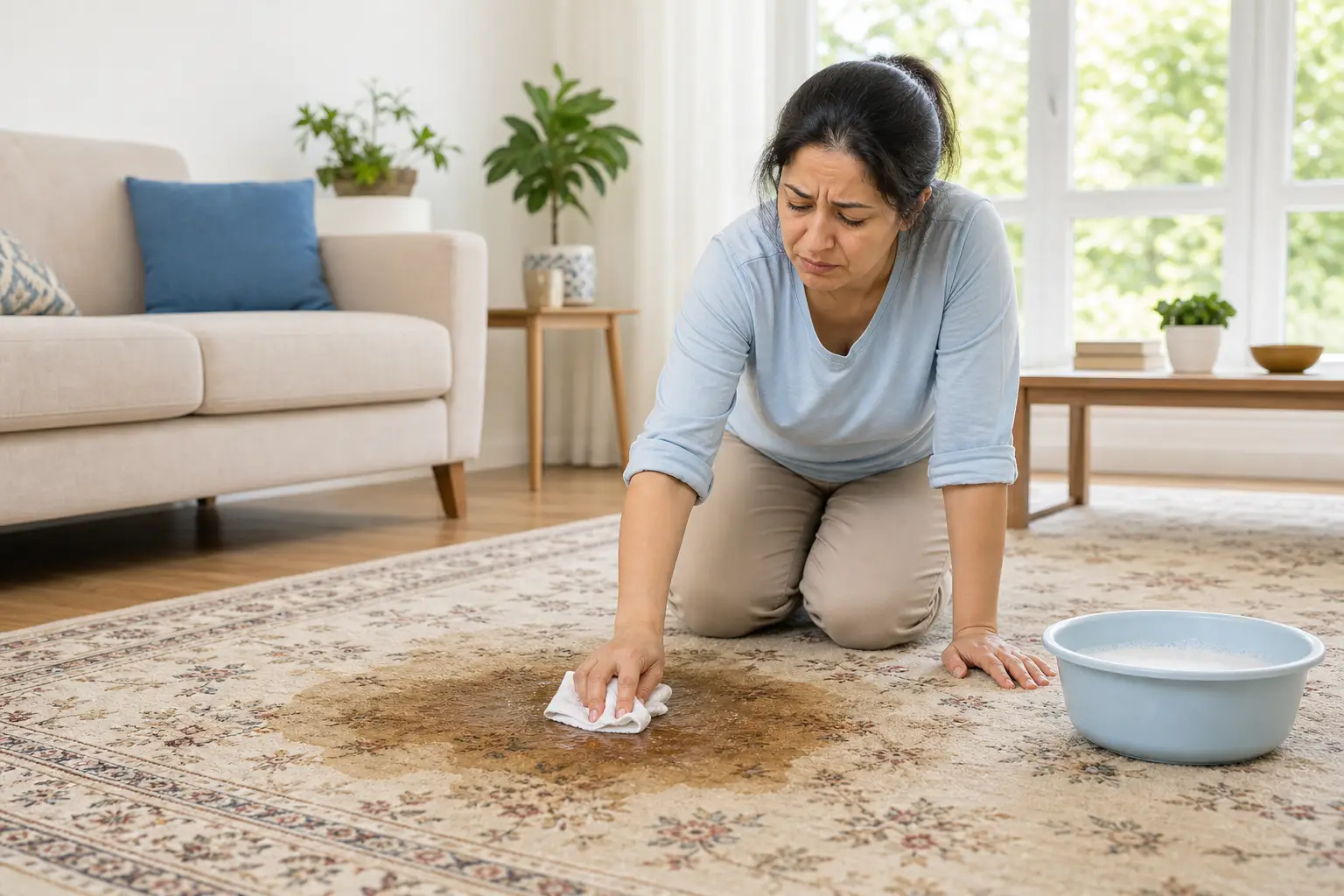
When tea, coffee, oil or food lands on a carpet, the first instinct is usually to scrub the area immediately. Acting quickly can be useful, but only when the response is gentle and appropriate. Problems begin when different household chemicals are mixed, bleach is used or the stain is rubbed forcefully.
A strong product can lighten the carpet, harden the pile or create a visible ring around the stain. It may also push the substance deeper into the fibres while making the surface look temporarily cleaner. Different stains require different treatment. Oil, sugary drinks, paint and pet accidents should not be handled with one universal product.
For a fresh spill, remove excess liquid by gently blotting it with a clean, white, dry cloth. Do not rub the area from side to side. When the carpet is collected, explain what caused the stain, approximately when it happened and whether any product has already been applied. This information helps the cleaning team choose a more suitable method.
2. Rolling up a carpet while it is still damp
A carpet may become wet because of balcony cleaning, a leaking air conditioner, a tipped plant pot or a small area cleaned at home. Rolling it up immediately because “it is going to be washed anyway” can create a much bigger problem.
Air cannot circulate inside a tightly rolled carpet. In warm weather, trapped moisture may quickly lead to a musty smell, colour transfer or signs of mould. Thick carpets can hold moisture in the backing even when the top looks almost dry.
If part of the carpet is wet, keep it open in a well-ventilated room until collection and tell the team that moisture is present. Avoid placing it against a very hot surface or leaving it under harsh direct sunlight for a long time. The goal is not to complete a home-drying process, but to prevent additional damage before professional assessment.
3. Assuming every carpet can be cleaned in the same way
Synthetic, wool, silk-blend, handmade and machine-made carpets have different structures. The same water temperature, detergent and mechanical action cannot be considered safe for all of them.
Some carpets have limited colour fastness. Some backings react poorly to heat or excessive moisture. Fringes and weakened edges may need separate attention. Handmade or valuable carpets require especially careful inspection because a small mistake can be difficult or expensive to repair.
Keep the care label if it is available. If there is no label, share what you know: where the carpet was purchased, its approximate age, whether it has been cleaned before and whether it has ever released colour. A professional carpet cleaning service should assess the material and condition before selecting the process.
4. Failing to mention damaged or sensitive areas
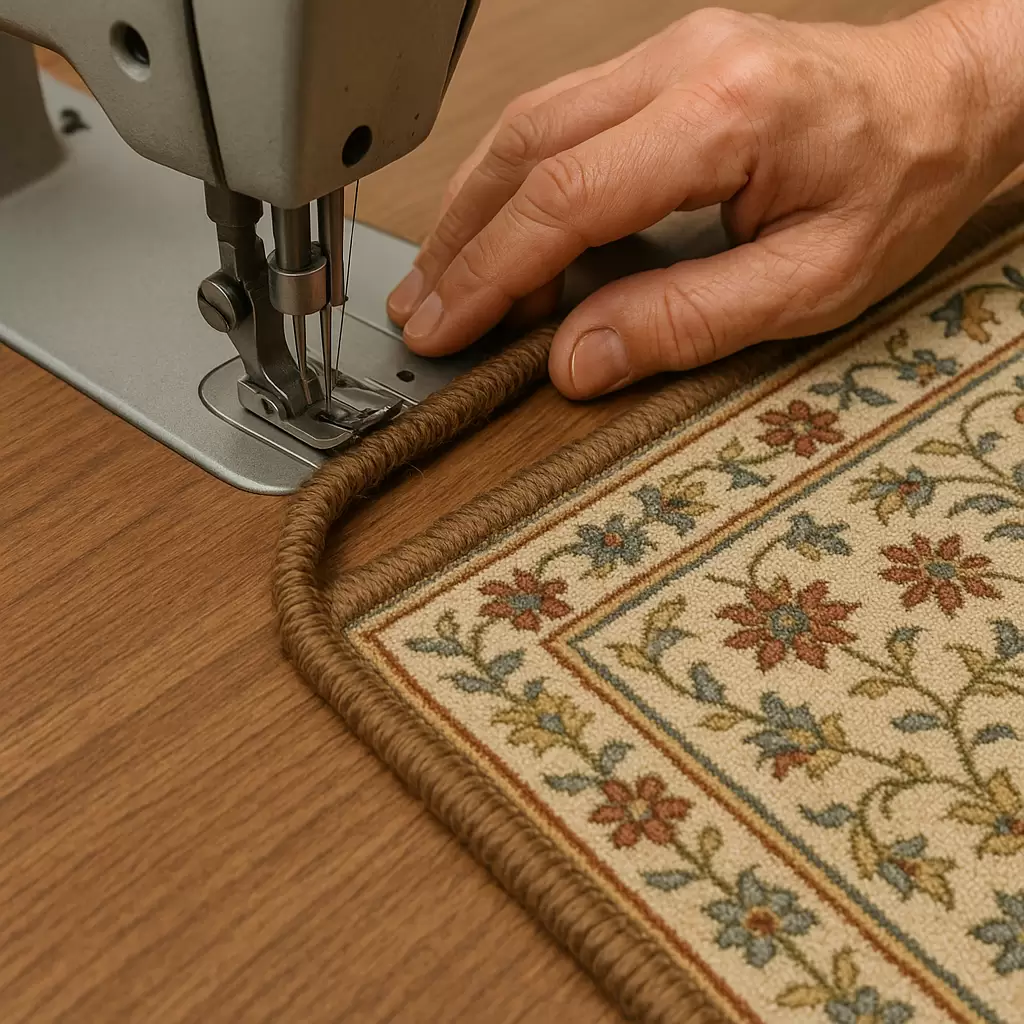
Loose fringes, unravelled edges, a cracked backing, adhesive residue and damage caused by pets should be identified before washing. These issues may look minor at home, but they can affect how the carpet should be handled.
Before rolling the carpet, take a quick look at the following:
- Are any edges beginning to unravel?
- Do the fringes feel weak or loose?
- Is the backing cracked, torn or sticky?
- Are there old stains, paint, wax or chewing gum?
- Is there a possible pet urine mark or persistent odour?
- Has the carpet released colour during previous cleaning?
Sharing this information is not a disadvantage. It allows the team to use a more cautious approach and to set realistic expectations before the work begins.
5. Leaving small objects on or inside the carpet
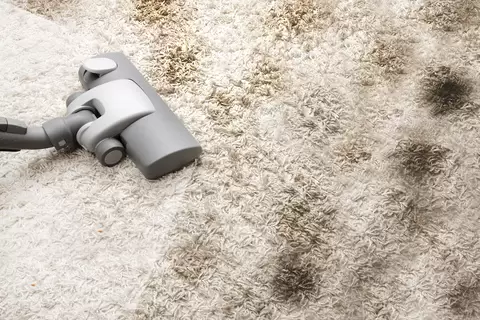
Professional facilities usually include a dust-removal stage, but it is still important to check the carpet before collection. A pin, coin, small toy part, piece of glass or furniture fitting may damage the carpet or cleaning equipment.
There is no need to beat an old carpet aggressively at home. Strong beating can strain weak edges and aged fibres. Simply remove visible debris and any foreign objects. Deep dust removal should be part of the professional cleaning process.
6. Folding the carpet sharply for transport
Folding may seem convenient, particularly when a carpet is large. Yet a carpet kept in a folded position can develop creases and shape changes. This is more noticeable with thick carpets and rigid backing materials.
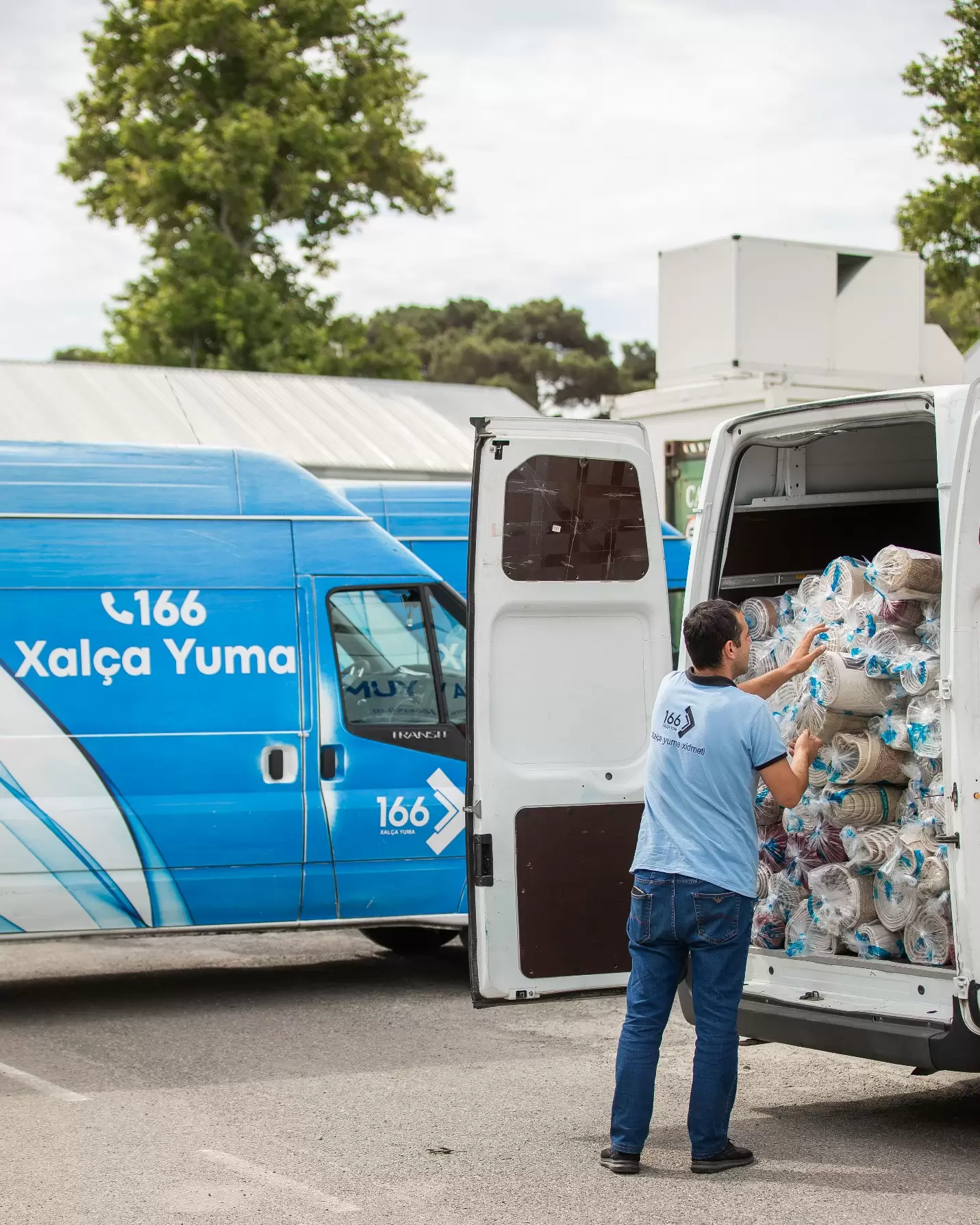
Whenever possible, roll the carpet with its face protected and avoid making the roll excessively tight. If the carpet is too large or heavy to carry safely, ask about collection instead of dragging it down stairs or forcing it into a lift. 166 Carpet Cleaning provides collection and return delivery, making the process easier for the household and reducing unnecessary handling.
7. Choosing a service based only on the lowest price
Asking about the carpet cleaning price is reasonable. The important point is to understand what the price includes. Does it cover collection and delivery? Are stains assessed separately? Is odour treatment available? How is the carpet dried and checked before packaging?
An unusually low price may sometimes mean that important stages are shortened. Insufficient rinsing can leave detergent in the pile. Packaging before complete drying can create an odour after delivery. At the same time, a high price alone does not prove quality. Experience, process transparency, delivery terms and genuine customer feedback should be considered together.
Useful questions to ask include:
- Is the carpet’s condition recorded at collection?
- Does the cleaning method change according to material?
- Are stains inspected and treated individually?
- Is drying completed in controlled conditions?
- What is the expected turnaround time?
- Are collection and delivery included?
- Who should be contacted if there is a concern after delivery?
A quick checklist before your carpet is collected
Five minutes of preparation can prevent confusion:
- Remove small objects and visible debris.
- Note where the stains are and what caused them.
- Mention moisture, pet marks and persistent odours.
- Point out weak fringes and unravelled edges.
- Share the material and previous cleaning history if known.
- Confirm the collection and expected delivery dates.
- Make sure any special request is recorded at collection.
The more accurate the information, the easier it is to select a purposeful and material-appropriate process.
What should a professional carpet cleaning process include?
A good result is not simply a stain that can no longer be seen. The carpet should retain a natural colour, the pile should not feel sticky or stiff, no strong residue should remain and the deeper layers should be fully dry.
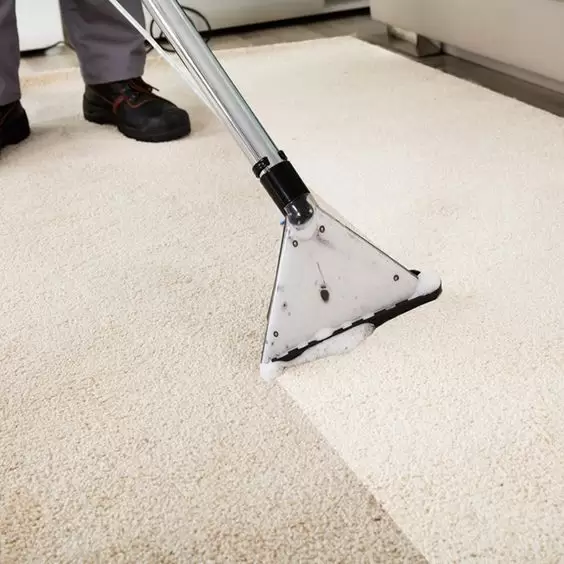
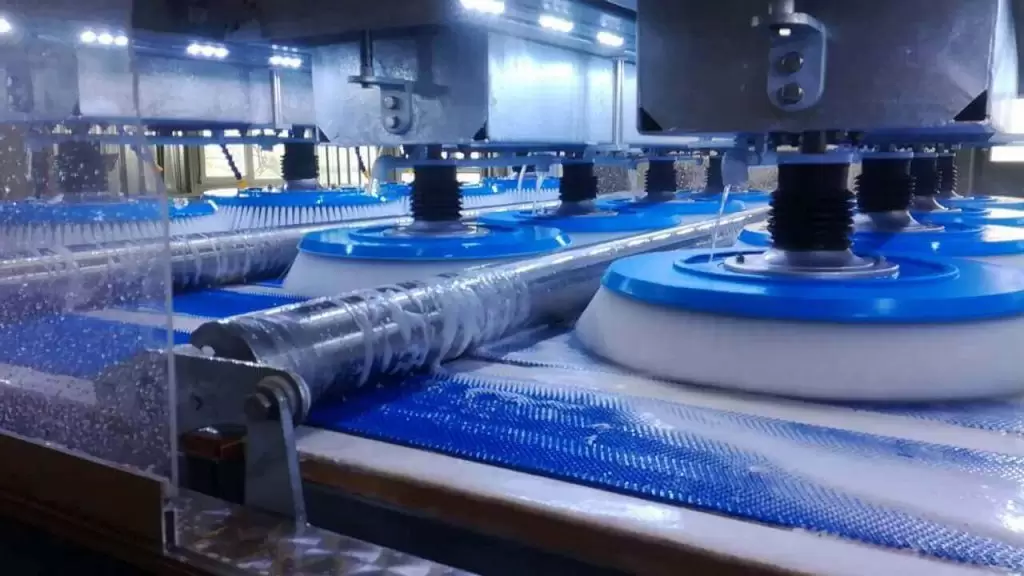
The process begins with inspection and classification. Dry dust should be removed before washing because dust mixed with water can turn into mud within the pile. Stains are then treated according to their type. The main wash must be followed by sufficient rinsing and extraction. Drying should protect the carpet’s shape and continue until moisture has been removed from the deeper structure. A final inspection is needed before clean packaging.
166 Carpet Cleaning professionally collects carpets from the address and returns them after washing. You can also explore related cleaning options on the Services page.
How should a cleaned carpet be stored after delivery?
If the carpet will not be laid out immediately, ask the service team about the packaging and recommended storage conditions. A clean carpet should not remain indefinitely in an airtight cover. The storage area must be dry, cool and ventilated. A damp basement, enclosed balcony exposed to heat or a storage space with previous pest problems is unsuitable.
Keep the carpet rolled without placing heavy items on top of it. Avoid pressing it upright tightly against a wall for a long period, as this can affect its shape. Cleaning before storage is a good decision, but correct storage is what preserves the result.
Proper preparation helps protect the carpet
There is no complicated home treatment required before professional cleaning. Avoid experimenting with strong chemicals, do not roll the carpet while wet, disclose damage and do not choose a service only because it offers the lowest number.
When the cleaning team receives accurate information about the carpet’s material and condition, it can select a more appropriate process and explain the likely outcome in advance. That means fewer surprises and a better chance of preserving the carpet’s colour, texture and shape.
For a safer result without risking colour, pile or shape, leave the washing process to a professional team. Visit the contact page or call +994 50 285 44 84 for service information and booking.
Hotline: 166 / +994 50 285 44 84










.webp "Carpet Cleaning Service – Cleanliness and Health Everywhere")